
Japanese Ingredients
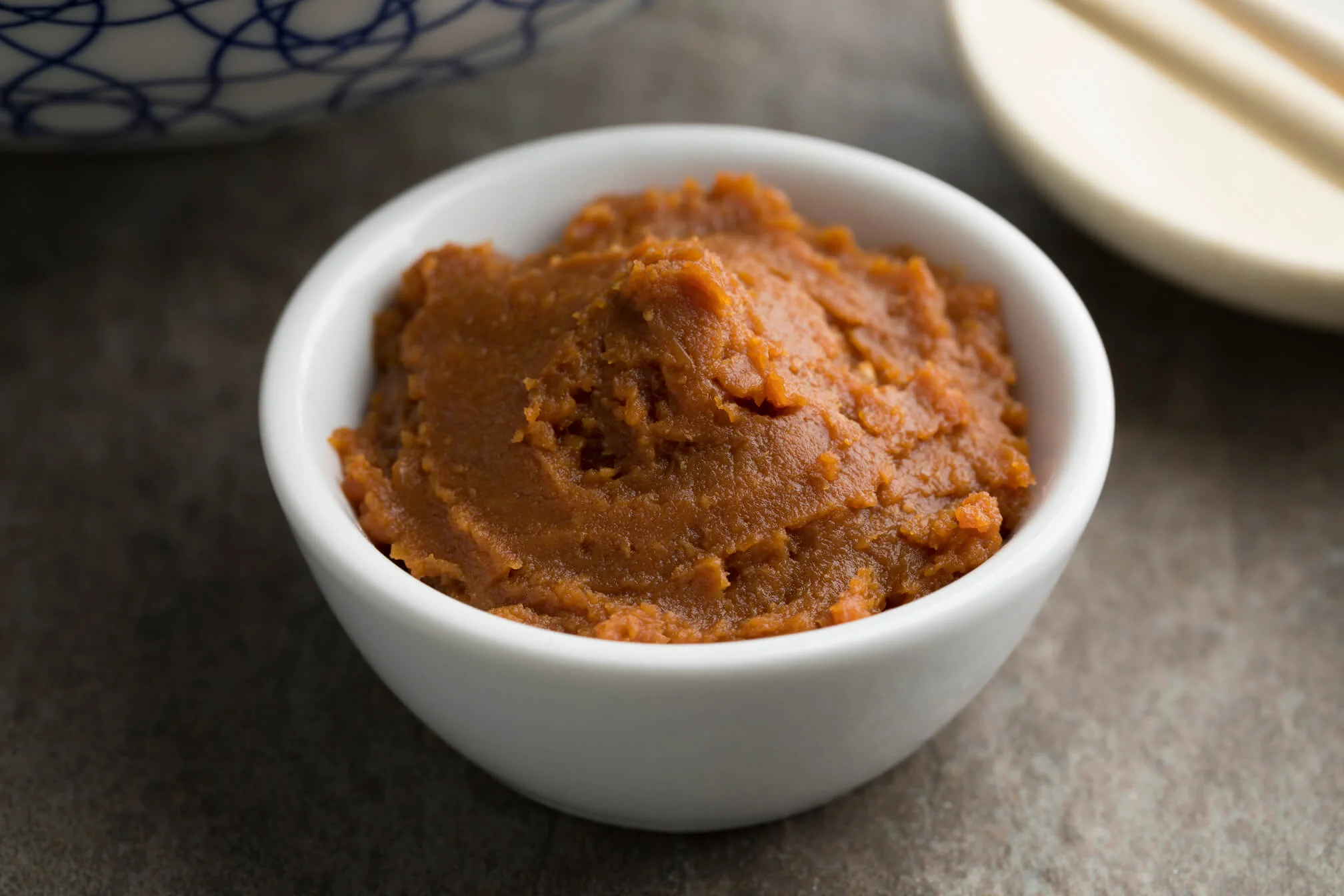
Miso
Miso is a traditional Japanese seasoning. It is a thick paste produced by fermenting soybeans with salt and kōji, and sometimes rice, barley, seaweed, or other ingredients.
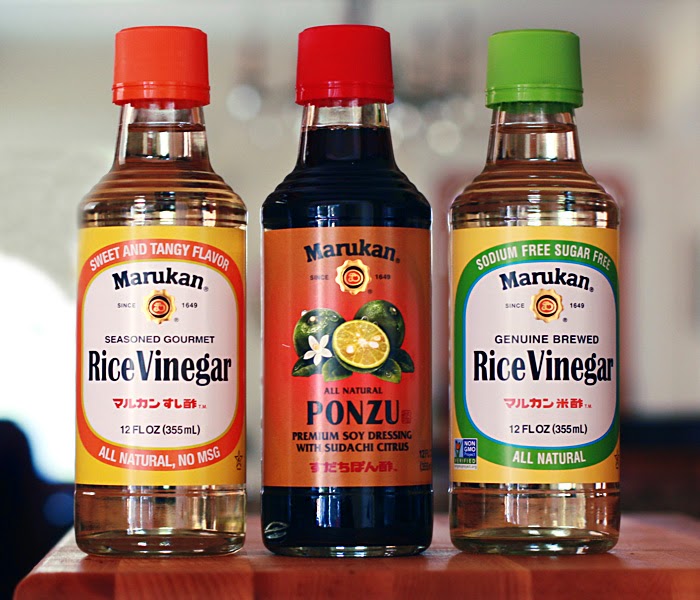
Rice Vinegar
Rice vinegar is a vinegar made from rice wine in East Asia, as well as in Vietnam in Southeast Asia. It is used as a seasoning, dressing, and dipping in many dishes, including sushi, jiaozi, and banchans. Some of its variants are also a drink by themselves.
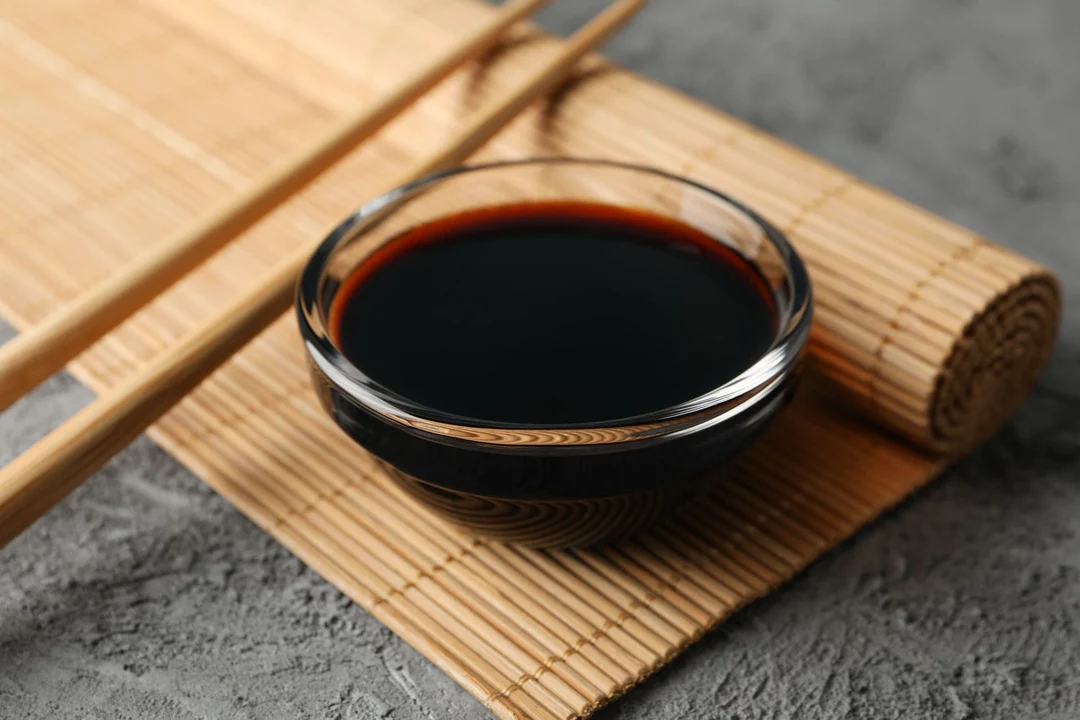
Soy Sauce
Soy sauce is a liquid condiment of Chinese origin, traditionally made from a fermented paste of soybeans, roasted grain, brine, and Aspergillus oryzae or Aspergillus sojae molds. It is recognized for its saltiness and pronounced umami taste.
The Japanese name for soy sauce is shoyu (醤油). Tamari is a well-known Japanese Soy Sauce, often gluten-free.
The Japanese name for soy sauce is shoyu (醤油). Tamari is a well-known Japanese Soy Sauce, often gluten-free.
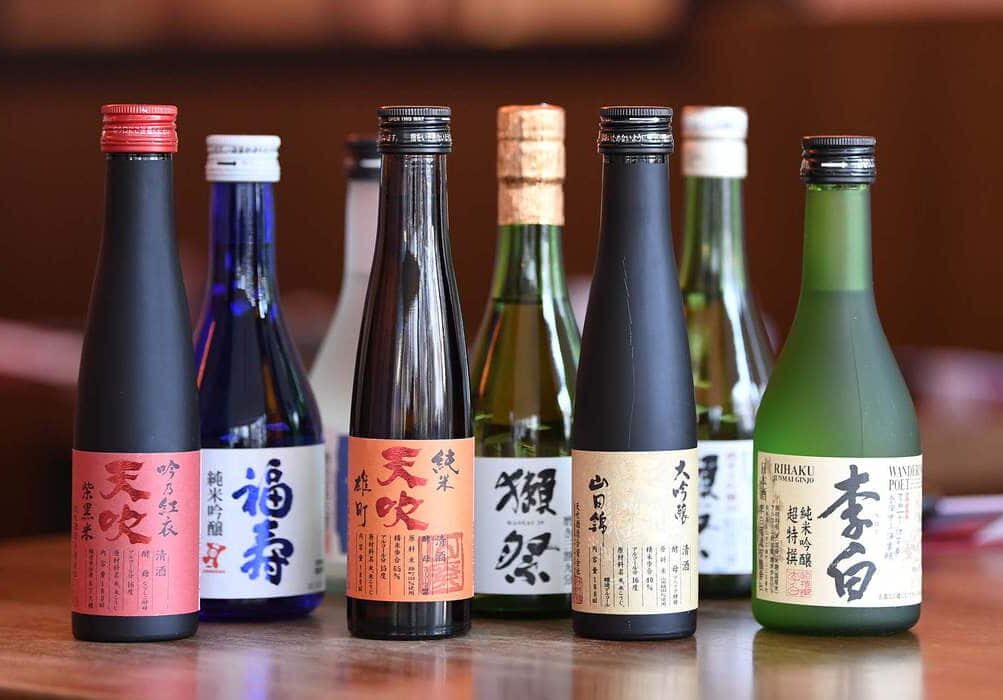
Sake
Sake, saké, or saki, also referred to as Japanese rice wine, is an alcoholic beverage of Japanese origin made by fermenting rice that has been polished to remove the bran.
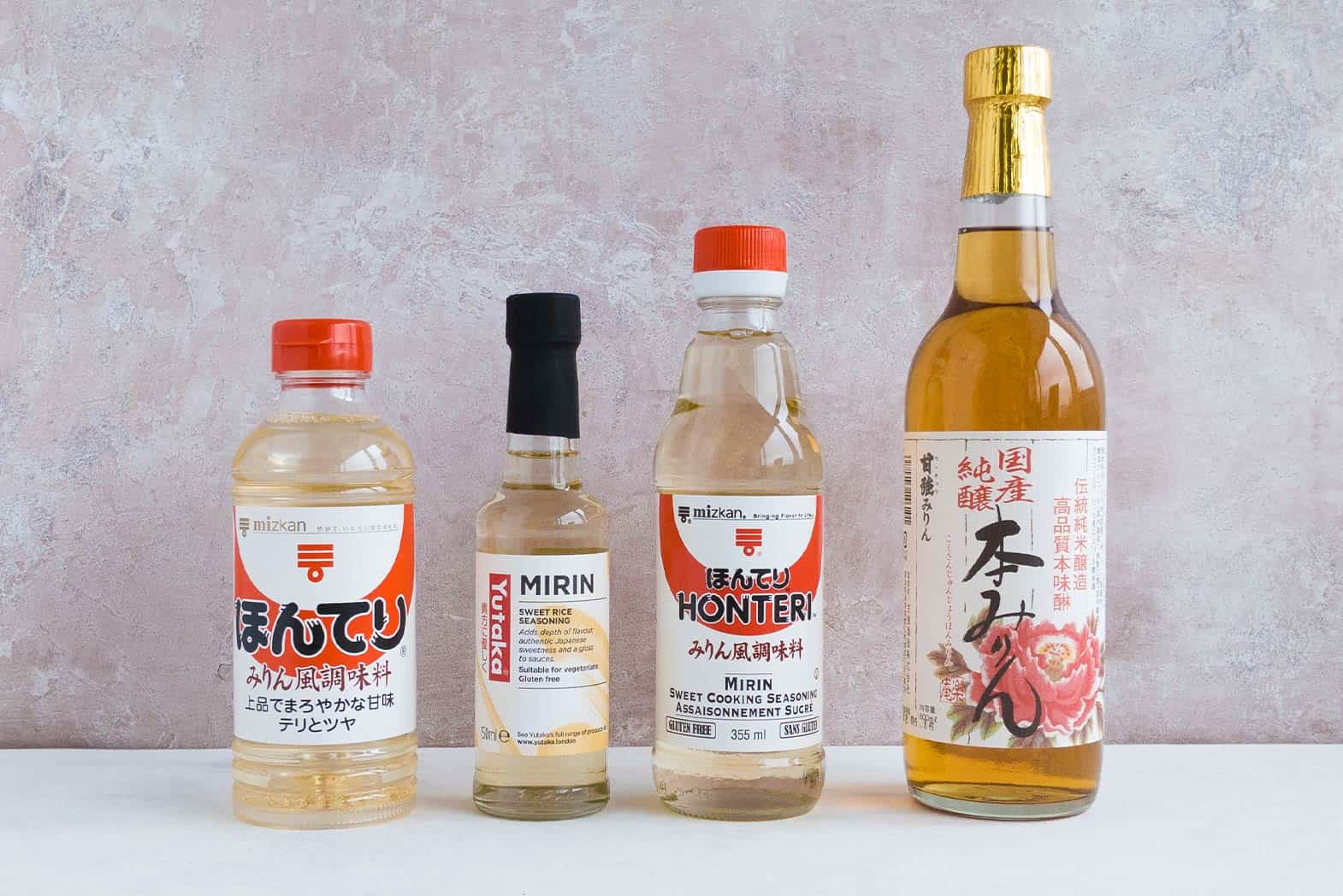
Mirin
Mirin is a type of rice wine and a common ingredient in Japanese cooking. It is similar to sake but with a lower alcohol content and higher sugar content. The sugar content is a complex carbohydrate that forms naturally during the fermentation process; no sugars are added.
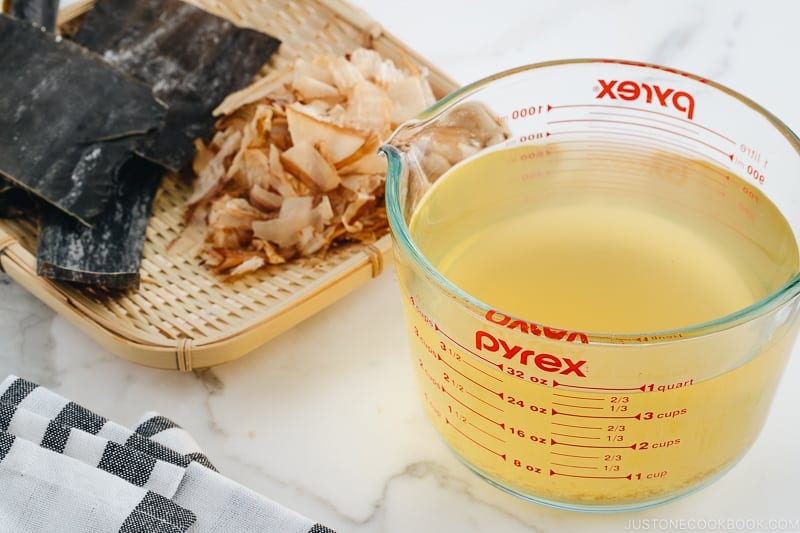
Dashi
Dashi is a family of stocks used in Japanese cuisine. Dashi forms the base for miso soup, clear broth soup, noodle broth soup, and many simmering liquids to accentuate the savory flavor known as umami. Dashi is also mixed into the flour base of some grilled foods like okonomiyaki and takoyaki.
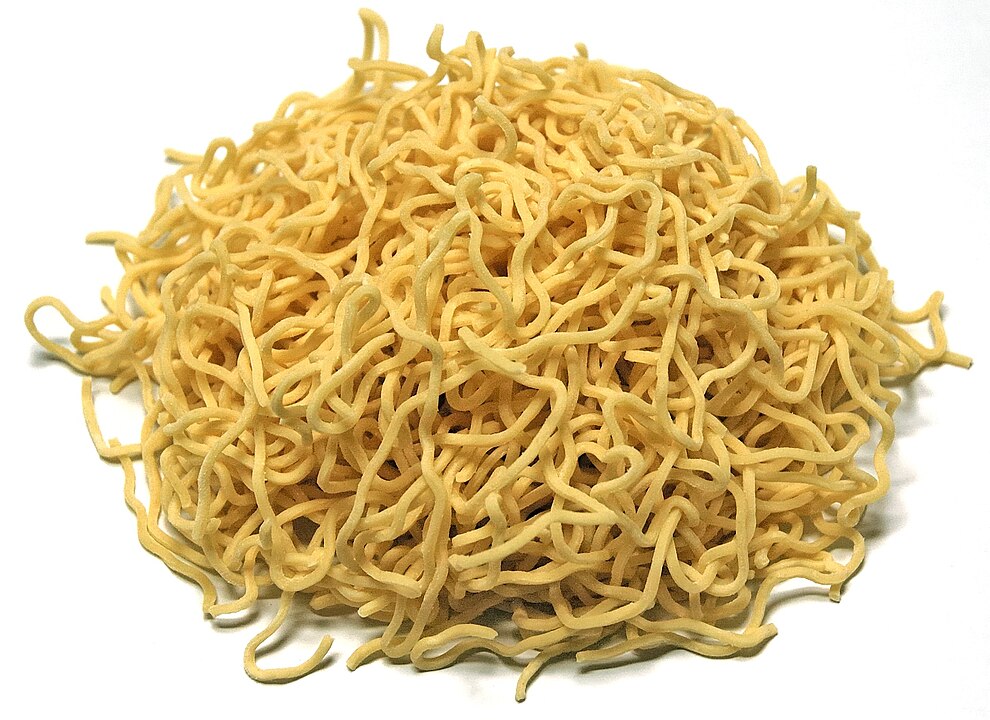
Noodles
Japanese noodle dishes are diverse, with names reflecting their unique characteristics. Ramen, Udon, Soba, and Somen are the most well-known, but other types include Yakisoba, Hiyamugi, Harusame, and Shirataki. Each noodle type is typically prepared in specific ways and paired with different sauces and toppings
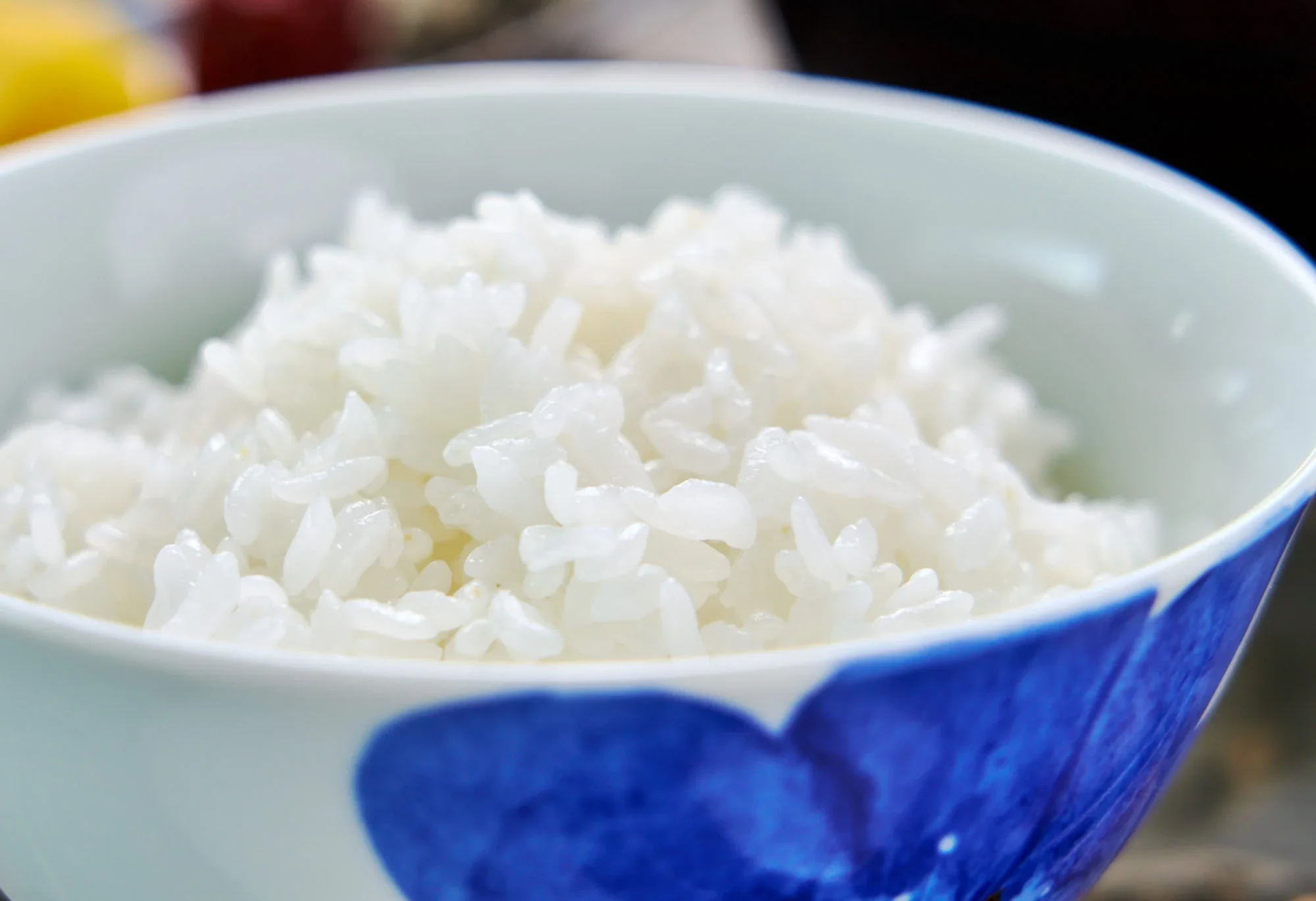
Rice
Rice is a cereal grain and in its domesticated form is the staple food of over half of the world’s population, particularly in Asia and Africa. Rice is the seed of the grass species Oryza sativa —or, much less commonly, Oryza glaberrima.
Japanese rice, also known as Japonica rice, is a short-grain rice variety known for its sticky texture and distinct flavor when cooked.
Japanese rice, also known as Japonica rice, is a short-grain rice variety known for its sticky texture and distinct flavor when cooked.

Wasabi
Wasabi is a green paste made from the root of a Japanese variety of horseradish. The root is grated and mixed with water and oil to form a paste which is mainly used as a condiment to accompany sushi and sashimi. Although fresh wasabi root is hard to find in the West, it’s easy to find in its powdered form or as a paste. The powder needs to be mixed with a little water but the paste can be used as it is. Wasabi is very pungent, and if you’re not careful, can get up your nose with its mustard-like heat.
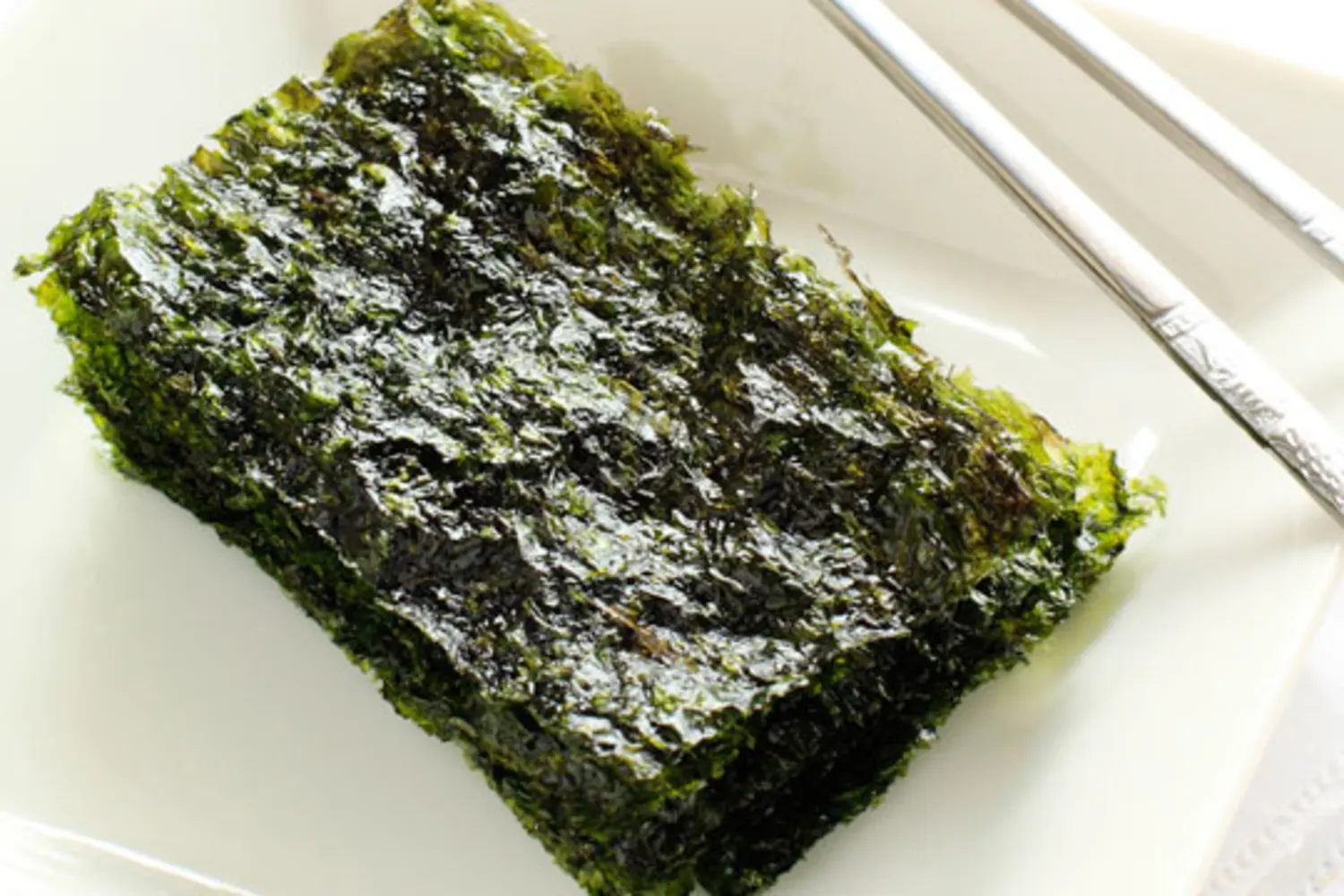
Nori
Nori is a type of dried seaweed which is perhaps most familiar as the wrapping for sushi and onigiri (rice balls), but is also used in stir-fries, soups and ramen. There are three types of nori: yaki nori (dry-roasted), ajitsuke nori (seasoned and roasted) and tsukudani nori (wet seasoned). Nori is shredded, dried and shaped into crisp, paper-thin sheets that are kept dry.
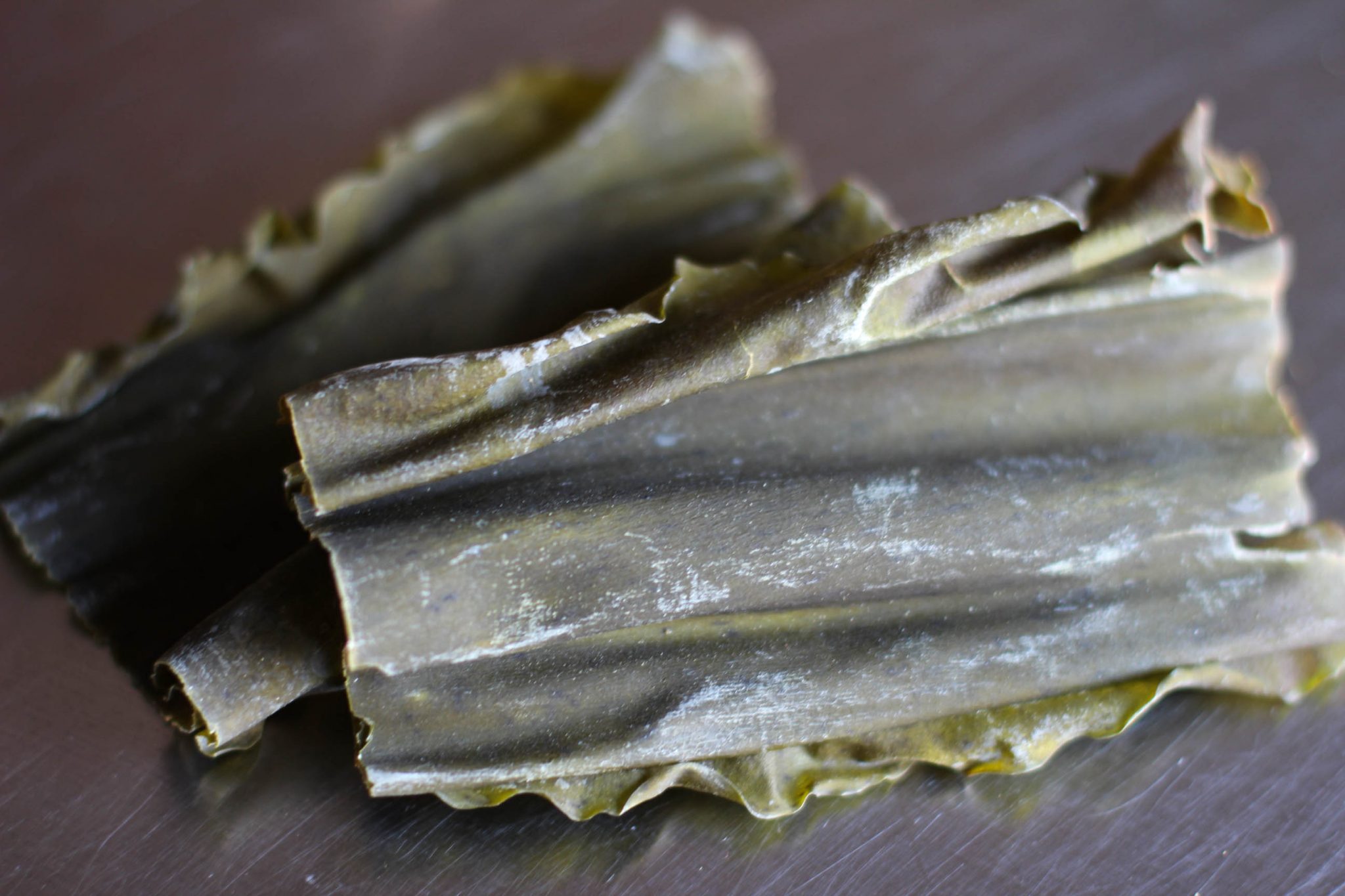
Kombu
Kombu is another type of Japanese seaweed, a type of edible kelp that can be bought as a dry pantry good. It is typically used as a dashi soup stock ingredient and is responsible for imparting a deep and indispensable umami flavor (derived from glutamic acids) in many Japanese dishes. Kombu is often used in hotpots and Japanese noodle soups.
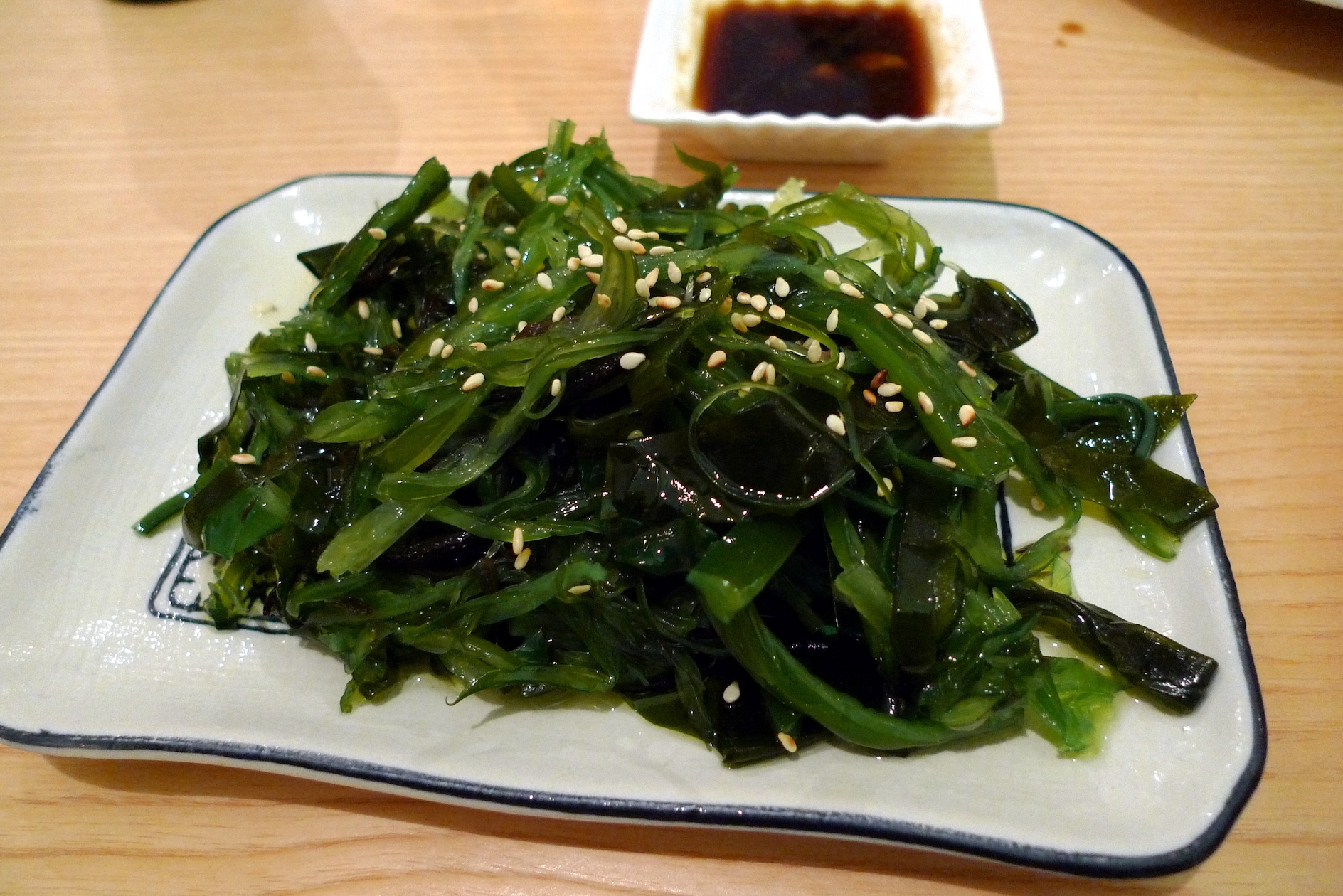
Edible Seaweed
Edible seaweed, or sea vegetables, are seaweeds that can be eaten and used for culinary purposes. They typically contain high amounts of fiber. They may belong to one of several groups of multicellular algae: the red algae, green algae, and brown algae.
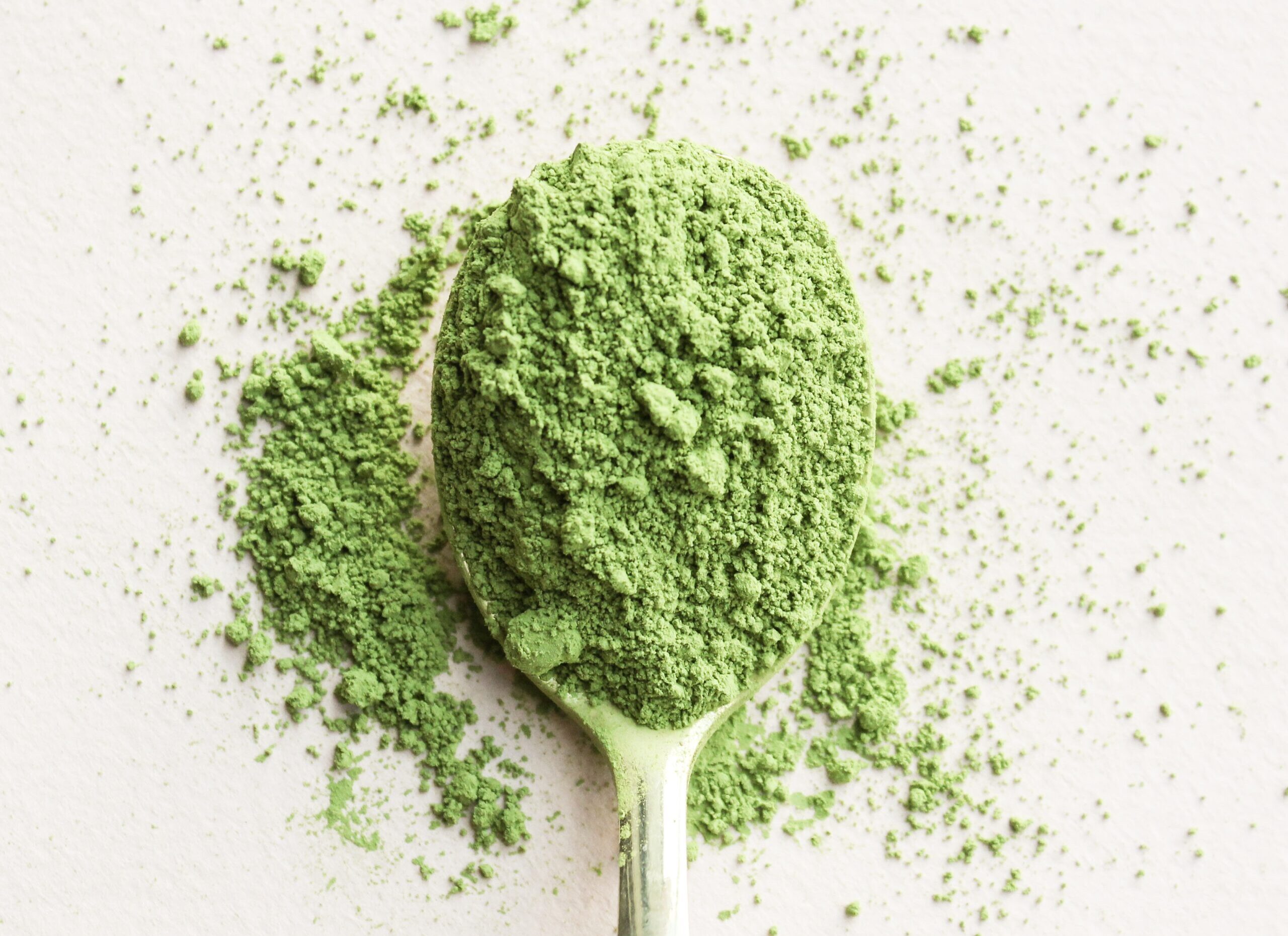
Matcha
Matcha is a finely ground powder of green tea specially processed from shade-grown tea leaves. Shade growing gives matcha its characteristic bright green color and strong umami flavor. Matcha is typically consumed suspended in hot water.
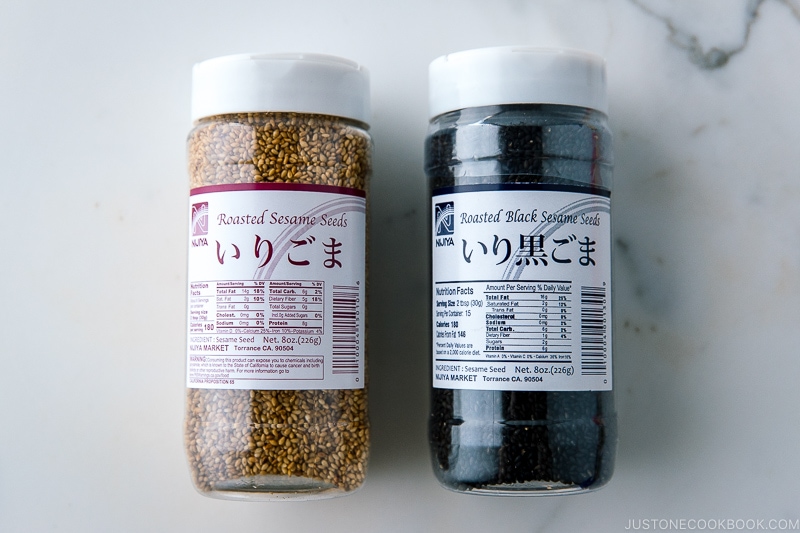
Sesame Seeds
Available as black or white seeds, sesame seeds, or goma,are a classic garnish when it comes to Japanese cuisine. Used liberally and with great versatility, white sesame seeds are frequently used as a dusting for donburi or stir-fries, and they are also used in sauces and even sweets!
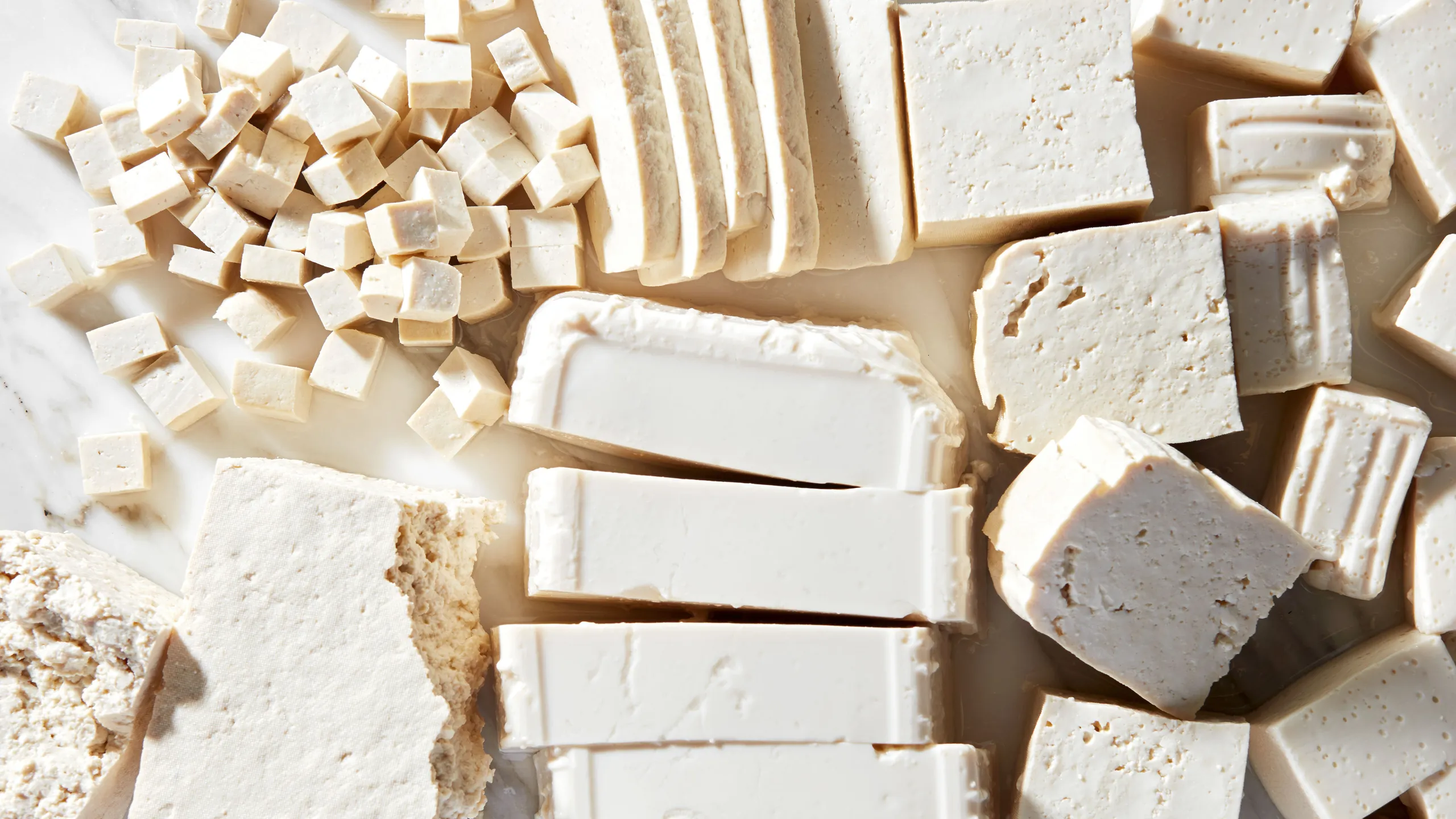
Tofu
Tofu is a food prepared by coagulating soy milk and then pressing the resulting curds into solid white blocks of varying softness: silken, soft, firm, and extra firm. Tofu is translated as bean curd in English. Tofu originated in China and has been consumed in the country for over 2,000 years.
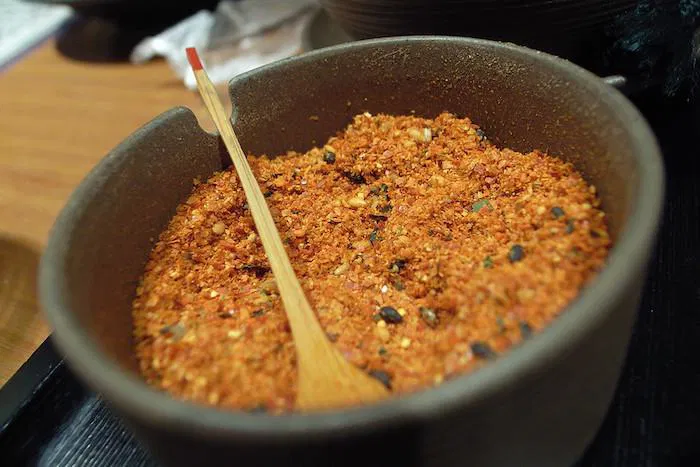
Shichimi (Japanese Seven Spice 七味)
Also known as “Japanese Seven Spice,”shichimi togarashiis another key Japanese pantry item to give a little spice to your homemade Japanese dishes. As in the name, it is made up of a blend of seven dried aromatic spices that make it both hot in flavor and citrusy. This includes chili flakes, ginger, nori, sesame seeds, shiso, dried orange peel, and Sichuan pepper (with room for some other spice mix variants, depending on the brand).
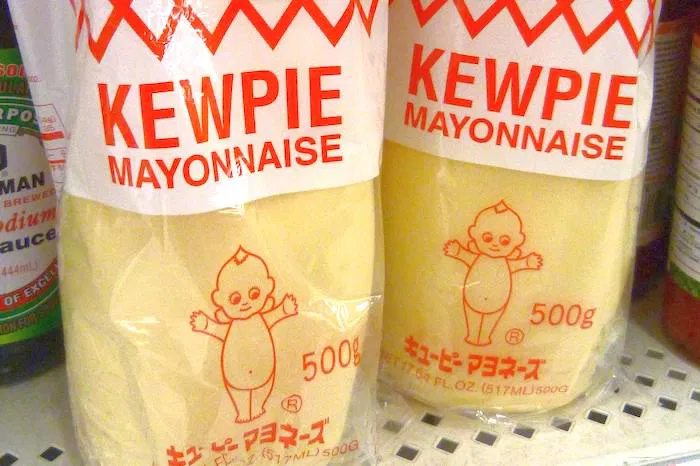
Japanese Mayonnaise
Creamy, morish, and distinctively wiggly when squeezed out of the tube, Japanese mayonnaise is an essential and delicious condiment that goes with a lot of Japanese dishes. For example, you will find Japanese mayo decorating steaming takoyaki balls and okonomiyaki pancake slabs. Or, it makes an irresistible dipping sauce for deep-fried karaage. Kewpie is the most famous Japanese mayonnaise with its white bottle and red cap.
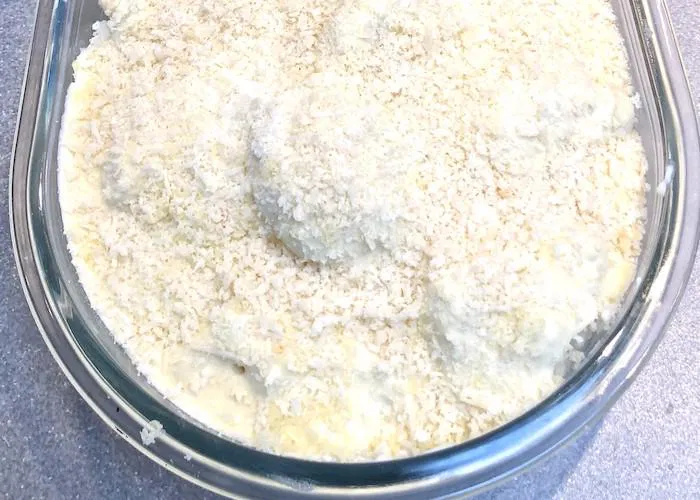
Panko Breadcrumbs
Literally translating to “bread powder,” Japanese breadcrumbs or panko are mainly used for crumbing deep-fried foods in Japan. The difference between more standard Western breadcrumbs and panko is that panko breadcrumbs are larger, lighter flakes, and they don’t absorb as much grease as standard breadcrumbs. Panko can also be used as a binder or in bakes.
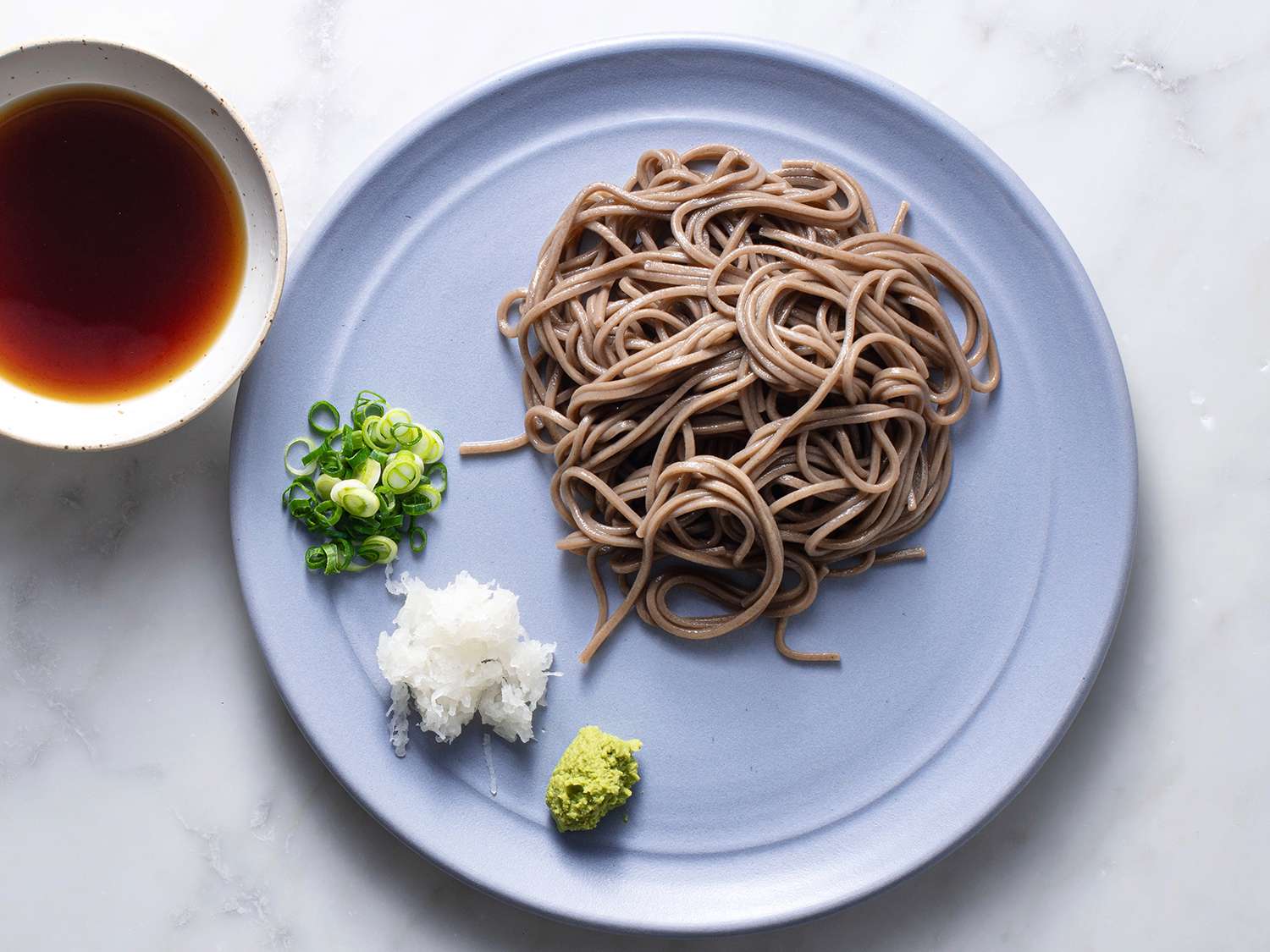
Soba
Soba are Japanese noodles made primarily from buckwheat flour, with a small amount of wheat flour mixed in. It has an ashen brown color, and a slightly grainy texture. The noodles are served either chilled with a dipping sauce, or hot in a noodle soup. They are used in a wide variety of dishes.
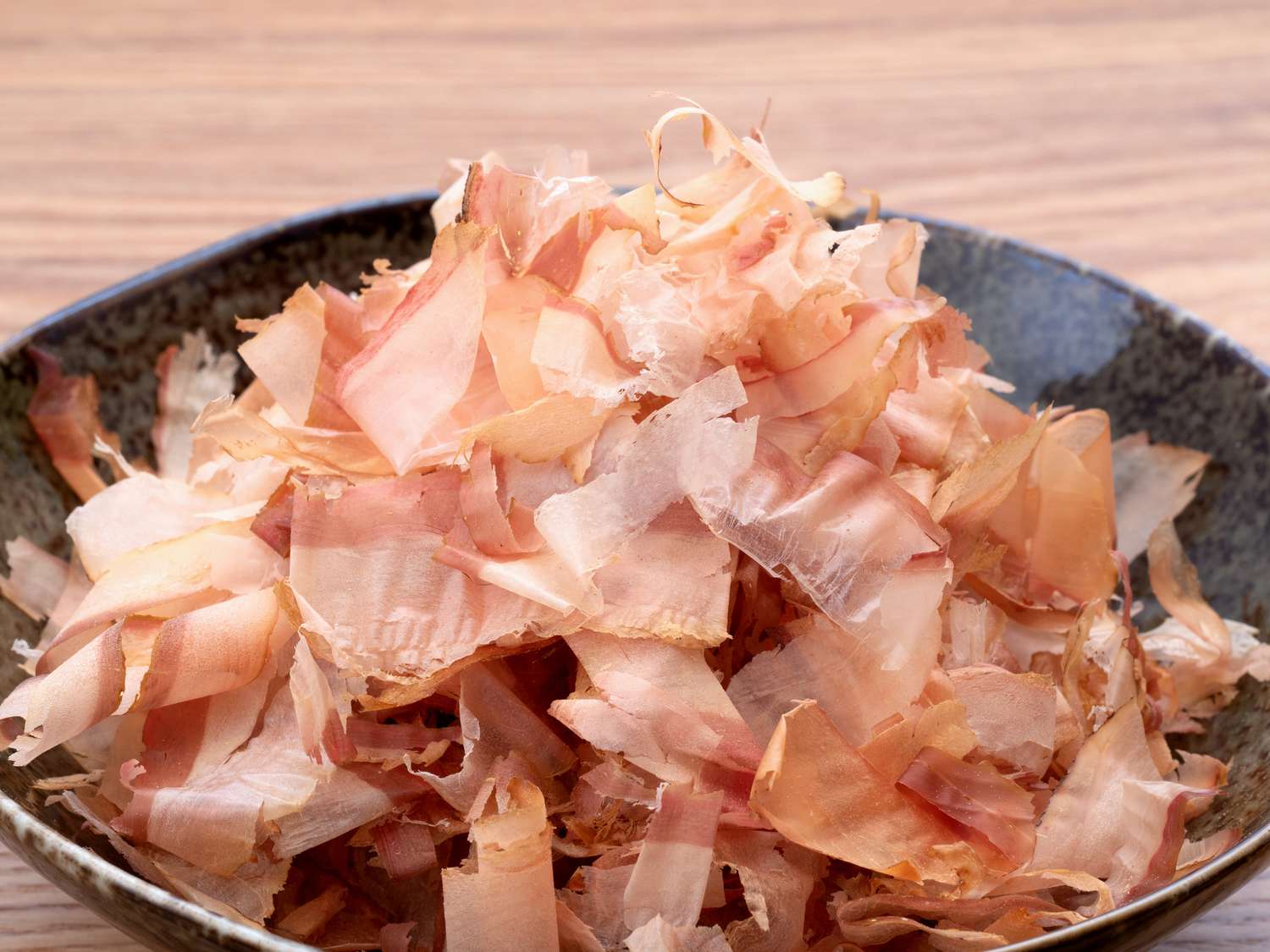
Bonito Flakes
Bonito flakes, or katsuobushi in Japanese, are finely shaved dried fish flakes. These are the wiggling brown flakes you might see sprinkled on top of takoyaki or okonomiyaki. Bonito flakes are used in broths and are a key ingredient for making dashi (Japanese soup stock) which is used in soups, sauces, and as the base of many other Japanese dishes.