
Japanese Emperors
According to mythology, Japan’s first emperor, Emperor Jimmu, was a descendant of the Sun Goddess Amaterasu and enthroned in the year 660 BC. While the myths are not considered historically accurate, it is commonly accepted that emperors have reigned over Japan for more than 1500 years, and that they have all descended from the same family. The imperial crest is a 16-petaled chrysanthemum flower.
Despite the fact that the effective power of the emperors was limited or purely symbolic throughout most of Japan’s history, all actual rulers, from the Fujiwara and Hojo regents to the Minamoto and Tokugawa shogun respected the emperor and were keen in having the imperial legitimization for their position as rulers.
A “shogunate” refers to a military government led by a shogun, the supreme military leader of Japan, who held real power while the emperor remained a figurehead.
With the Meiji Restoration of 1868, the shogunate was overthrown, and Emperor Meiji became the head of state. Under the new constitution, the emperor held sovereign power, and his political and military power was theoretically close to absolute. In practice, however, the real power laid first with the oligarchs and later with the prime ministers, generals and admirals.
The postwar constitution of 1946 states that the emperor has only a symbolic function. He now mainly participates at ceremonies but has no effective political power. In 2019, Emperor Naruhito became Japan’s 126th emperor. He is married to Empress Masako.
Imperial Palaces
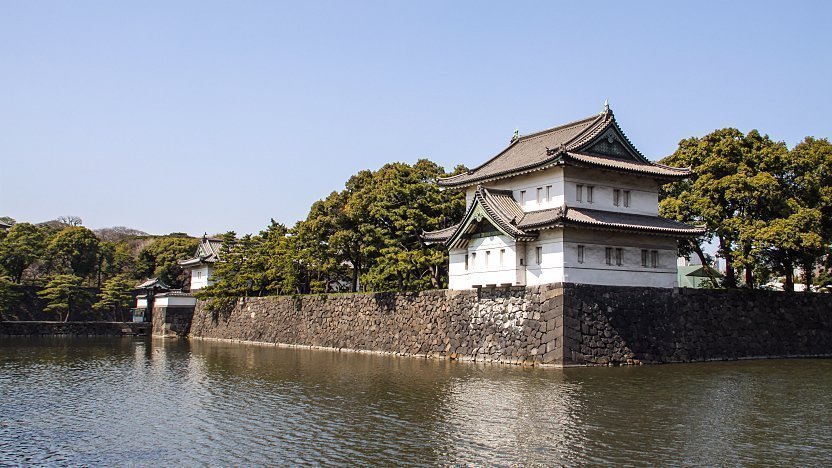
Tokyo Imperial Palace
The Tokyo Imperial Palace is situated in central Tokyo on the former grounds of Edo Castle, a short walk from Tokyo Station. It includes a large park area surrounded by the moats and impressive stone walls of the former castle. The outer palace grounds and the East Gardens are open to the public year round. The inner palace grounds can be visited on guided tours or without joining a tour on January 2 (New Year’s Greeting) or December 23 (Emperor’s Birthday).
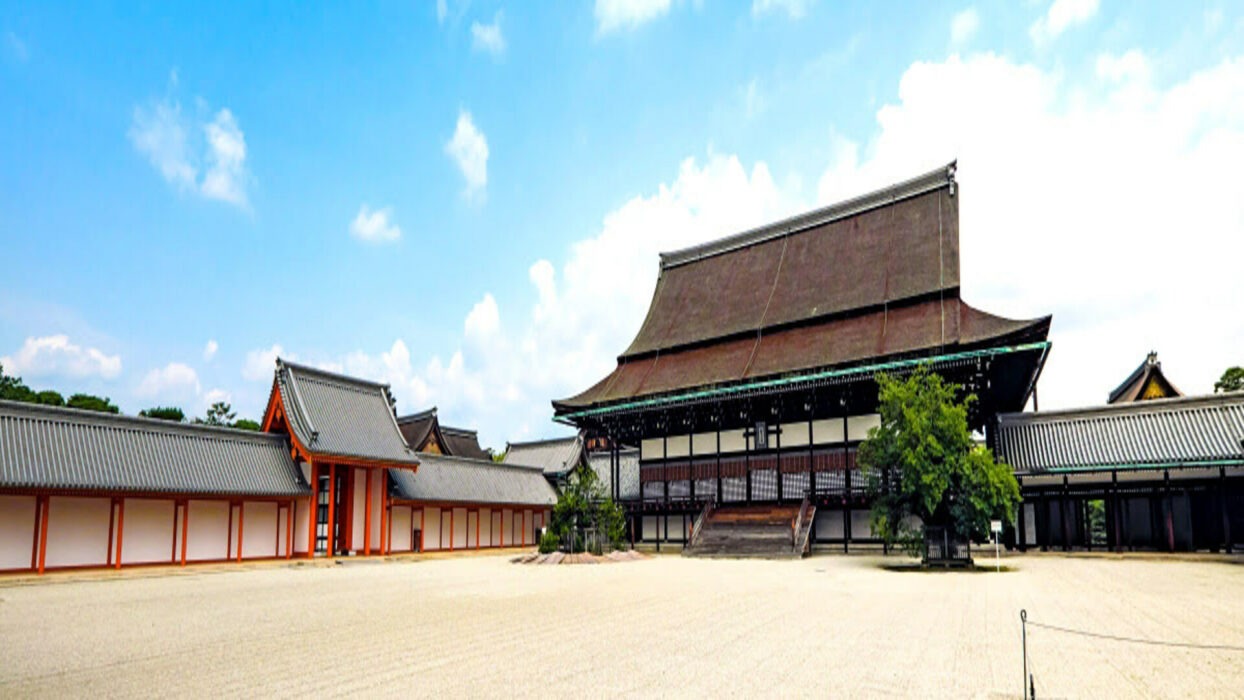
Kyoto Imperial Palace
The Kyoto Imperial Palace used to be the residence of the Imperial Family until 1868, when the capital was moved from Kyoto to Tokyo. It is today part of the spacious Kyoto Imperial Park. The palace is enclosed by long walls and consists of several gates, halls and gardens. The palace grounds can be explored freely, but the palace buildings cannot be entered.
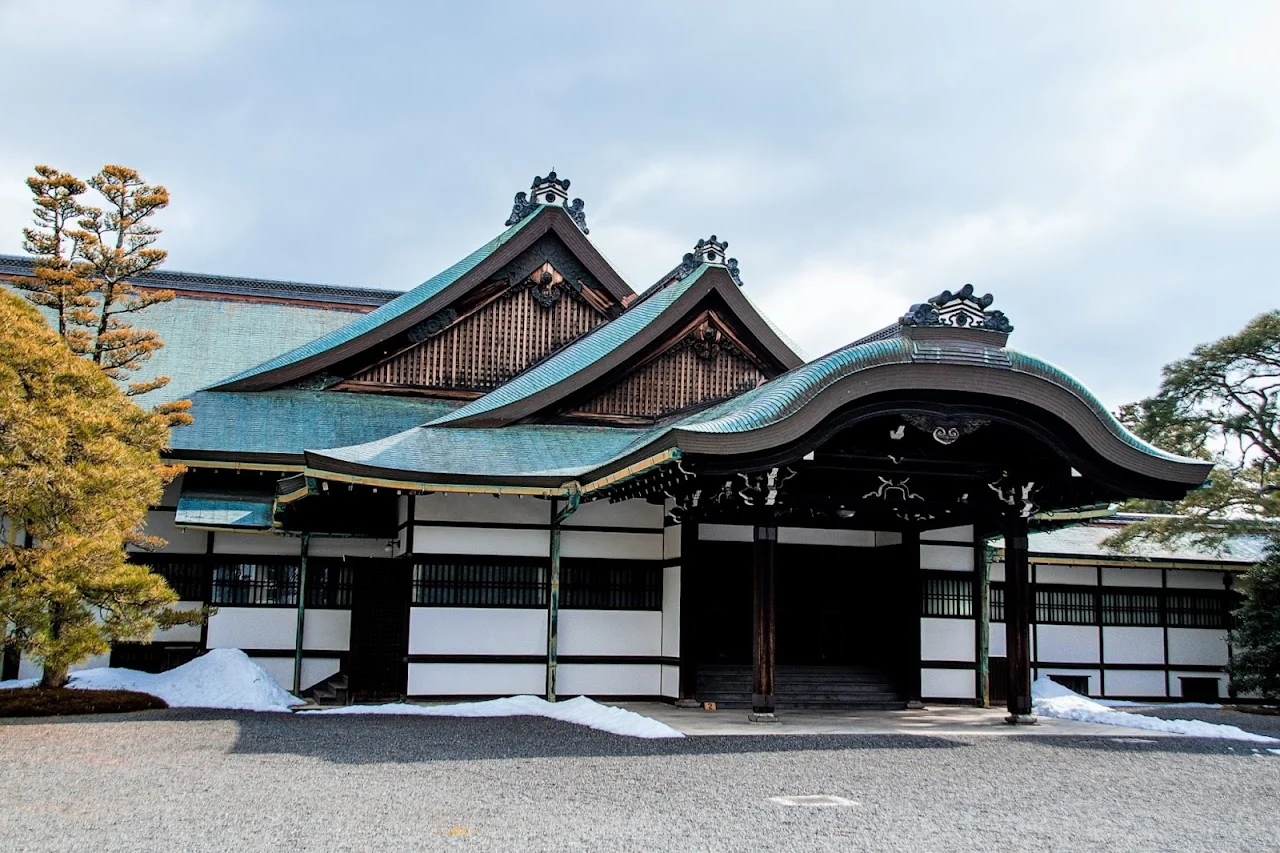
Sento Palace
Also located in the Kyoto Imperial Park is the Sento Imperial Palace, which was built in 1630 as the retirement palace of Emperor Gomizuno, and became the palace for subsequent retired emperors. The original palace buildings have been lost over the years, and the main attraction today is the palace’s beautiful strolling garden. The grounds can only be entered on guided tours.