
Japanese Dishes
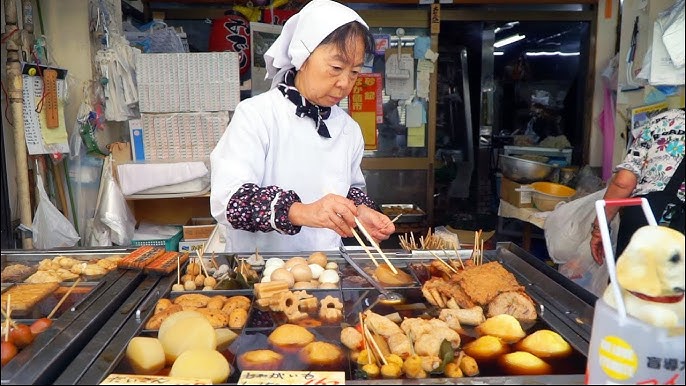
“Nabemono” (鍋物) refers to a variety of Japanese hot pot dishes, also known as “things in a pot” or “one-pot dishes”. Some popular types include Sukiyaki, Shabu Shabu, and Oden.
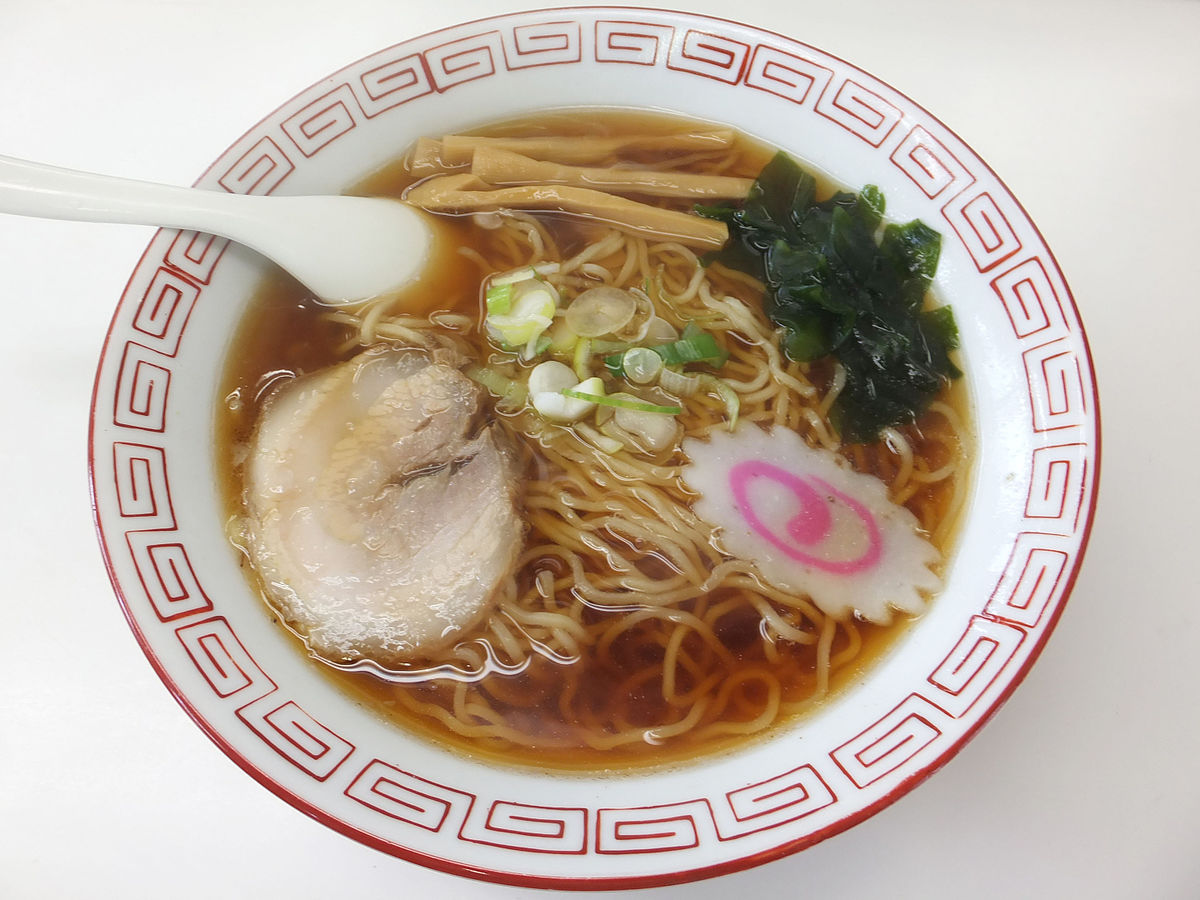
Ramen
Ramen is a Japanese noodle dish. It includes Chinese-style wheat noodles served in a broth. Common flavors are soy sauce and miso, with typical toppings including sliced pork, nori, menma, and scallions. Ramen has its roots in Chinese noodle dishes and is a part of Japanese Chinese cuisine.
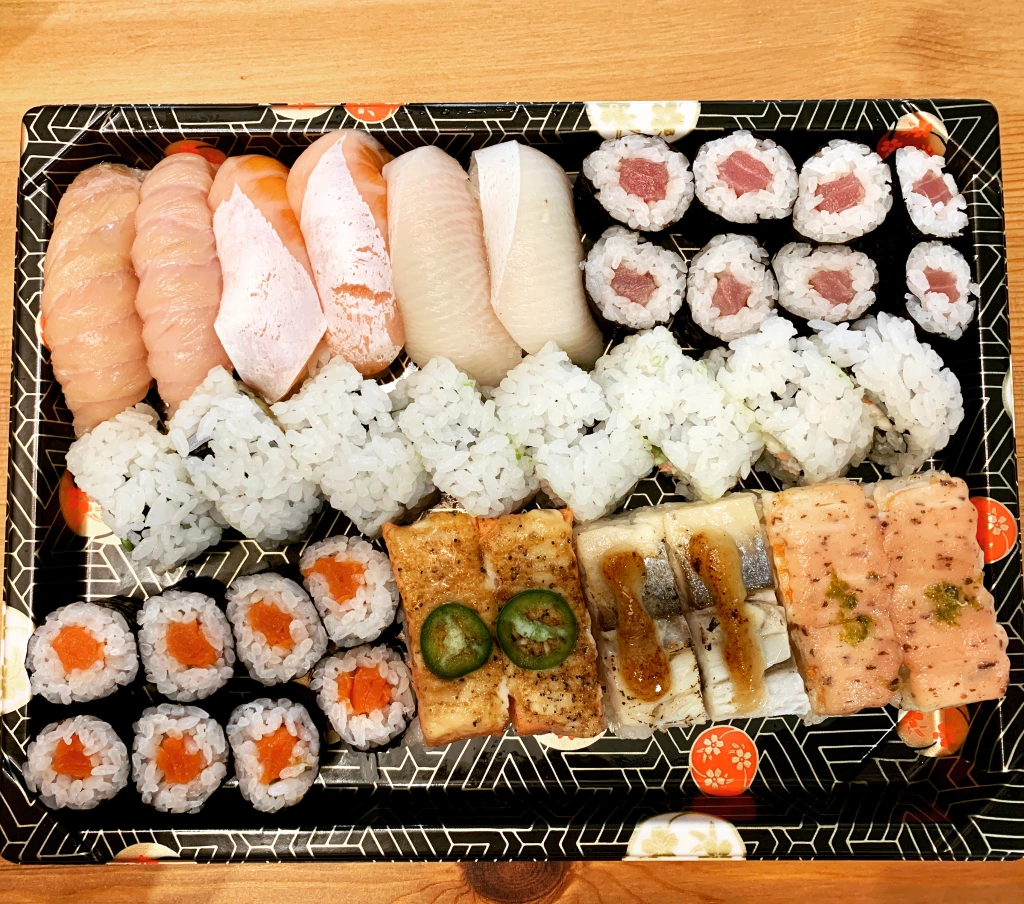
Sushi
Sushi is a traditional Japanese dish made with vinegared rice, typically seasoned with sugar and salt, and combined with a variety of ingredients, such as seafood, vegetables, or meat: raw seafood is the most common, although some may be cooked.
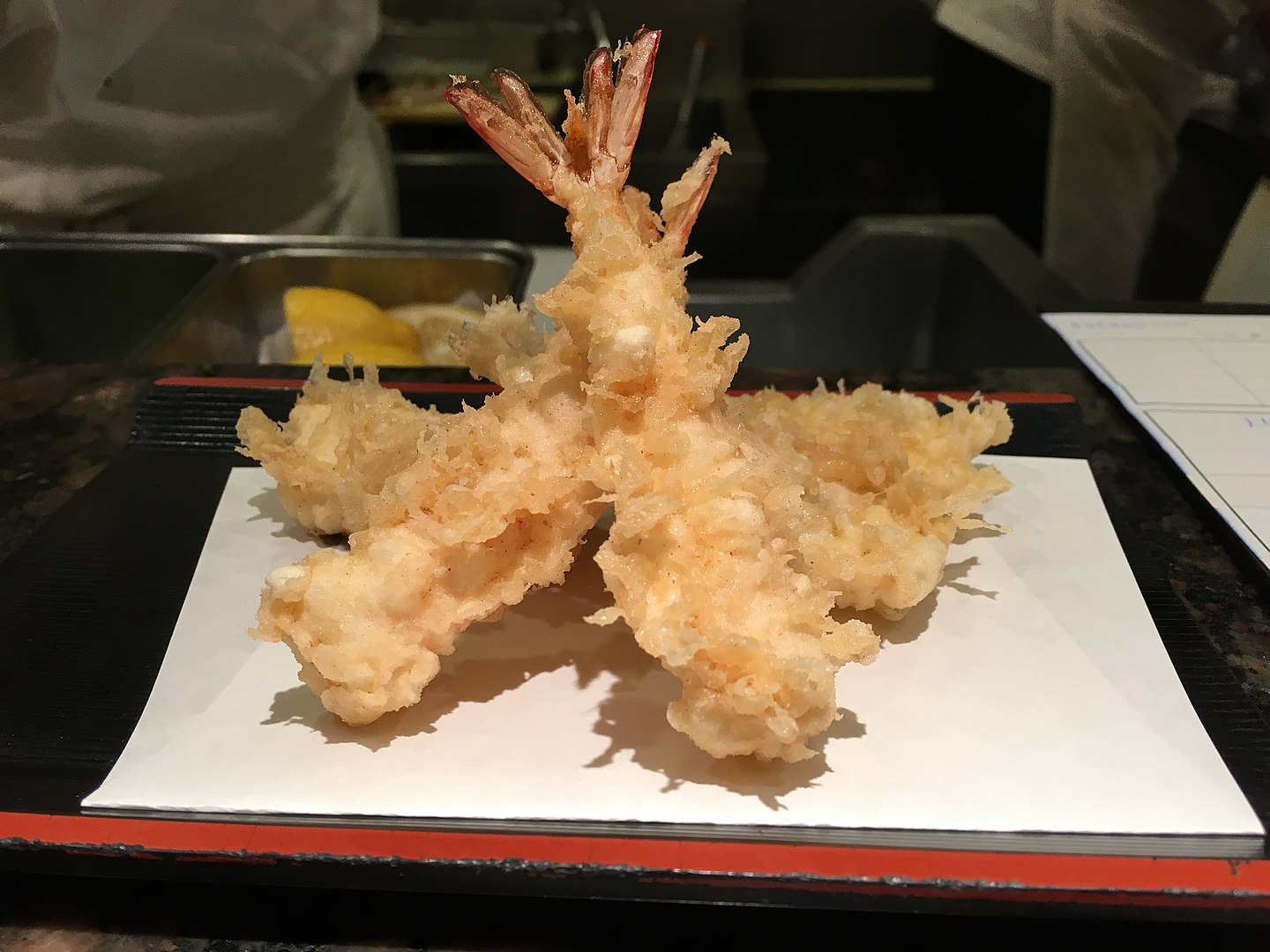
Tempura
Tempura is a typical Japanese dish that usually consists of seafood and vegetables that have been coated in a thin batter and deep-fried. Tempura originated in the 16th century, when Portuguese Jesuits brought the Western-style cooking method of coating foods with flour and frying, via Nanban trade.
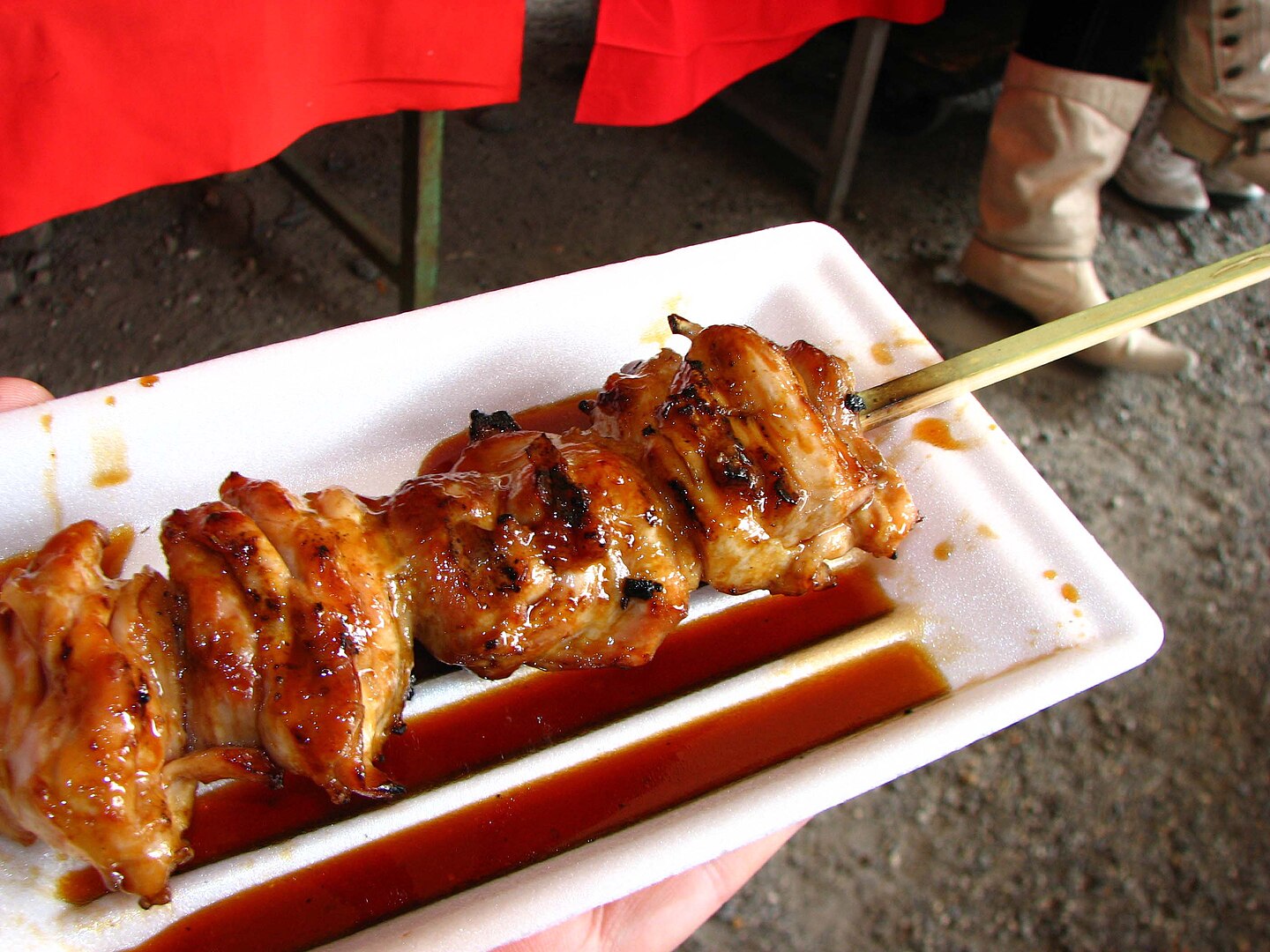
Yakitori
Yakitori is a Japanese type of skewered chicken. Its preparation involves attaching the meat to a skewer, typically made of steel, bamboo, or similar materials, after which it is grilled over a charcoal fire. During or after cooking, the meat is typically seasoned with tare sauce or salt.
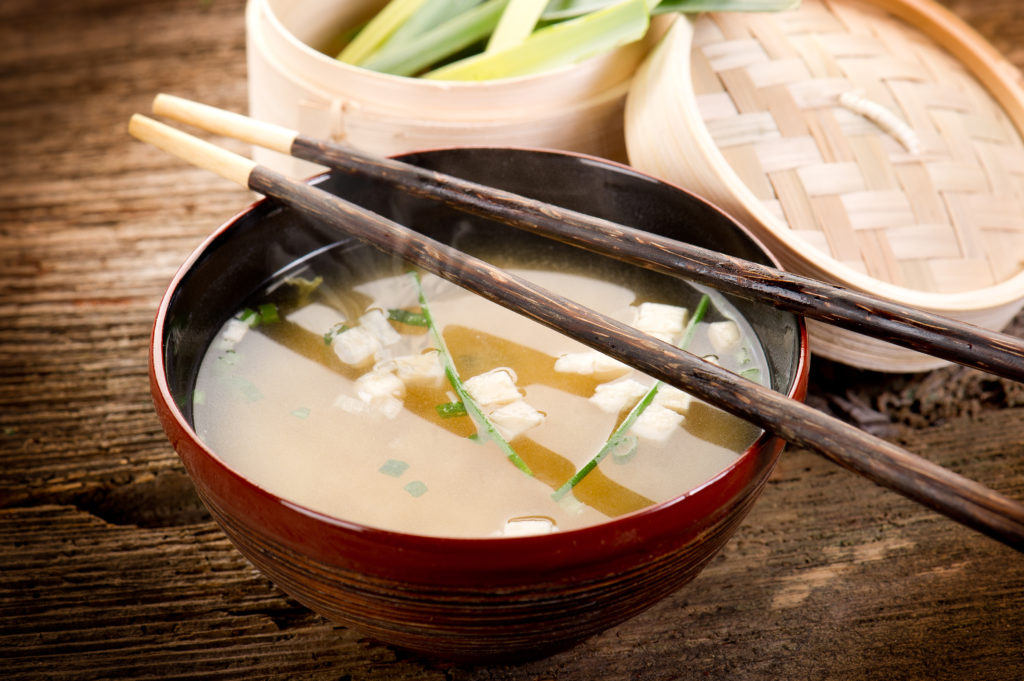
Miso Soup
Miso soup is a traditional Japanese soup consisting of miso paste mixed with a dashi stock. It is commonly served as part of an ichijū-sansai meal, meaning u0022one soup, three dishes,u0022 a traditional Japanese meal structure that includes rice, soup, and side dishes.
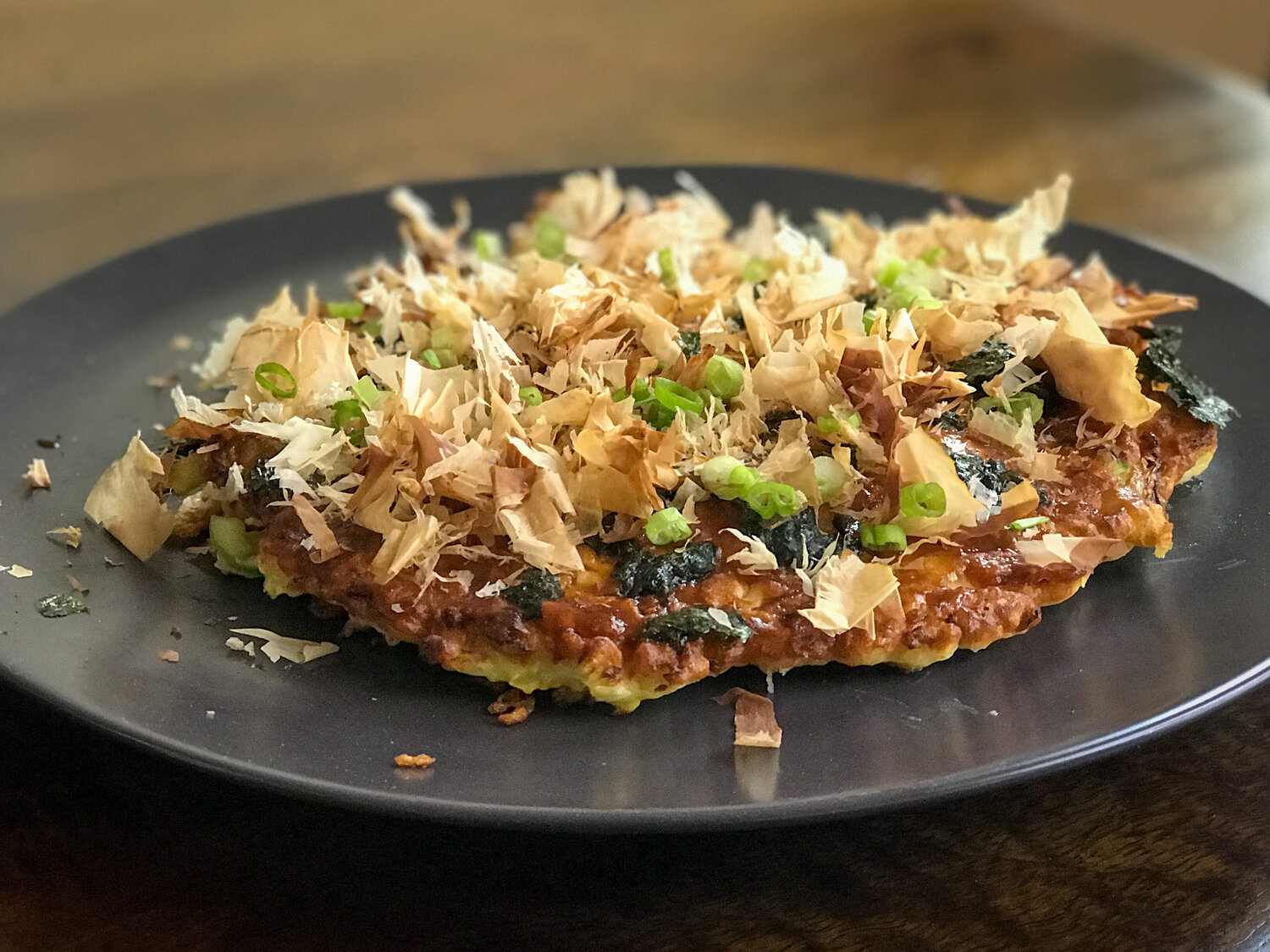
Okonomiyaki
Okonomiyaki is a Japanese teppanyaki savory pancake dish consisting of wheat flour batter and other ingredients cooked on a teppan. Common additions include cabbage, meat, and seafood, and toppings include okonomiyaki sauce, aonori, katsuobushi, Japanese mayonnaise, and pickled ginger.
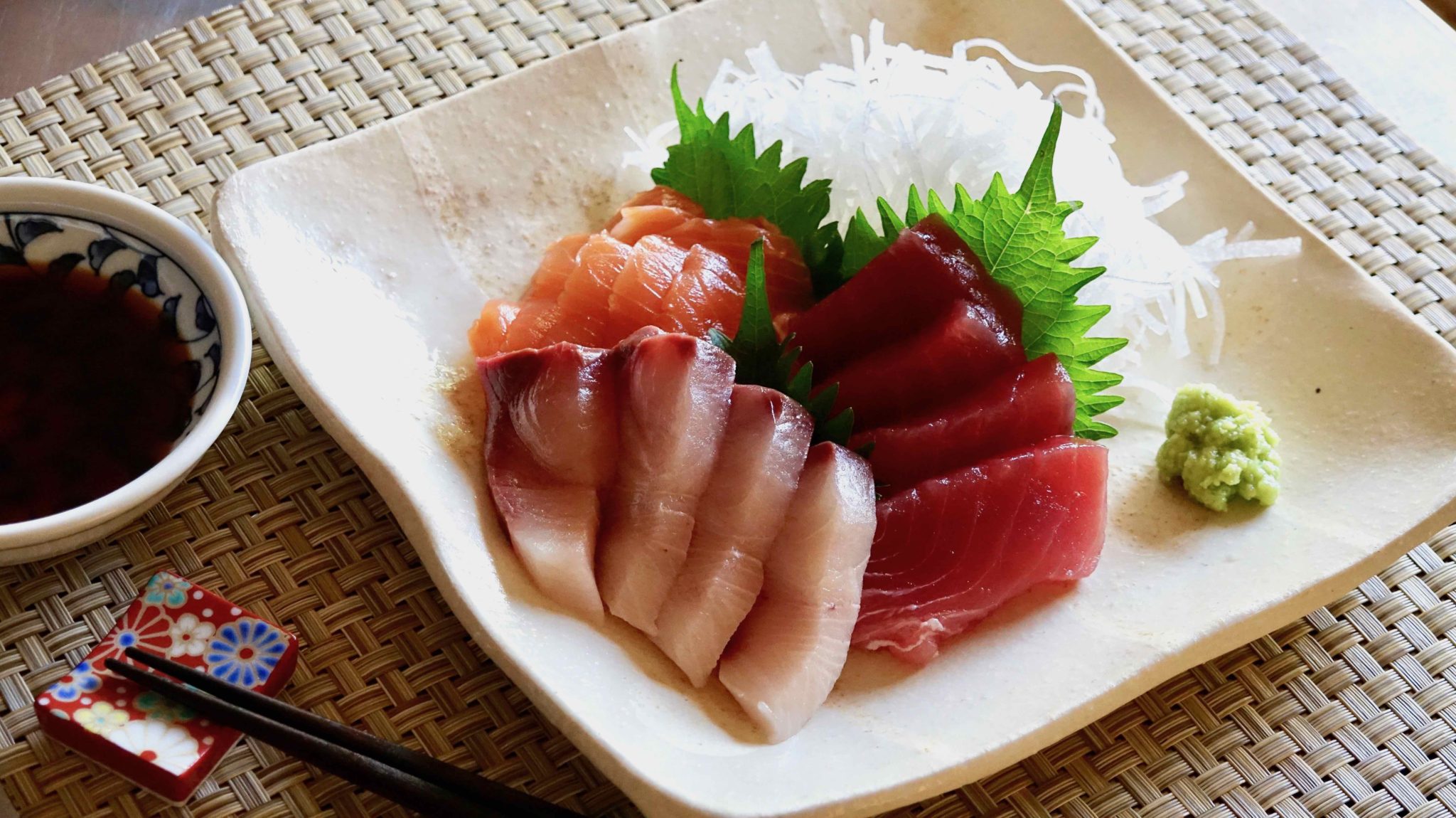
Sashimi
Sashimi is a Japanese delicacy consisting of fresh raw fish or meat sliced into thin pieces and often eaten with soy sauce.
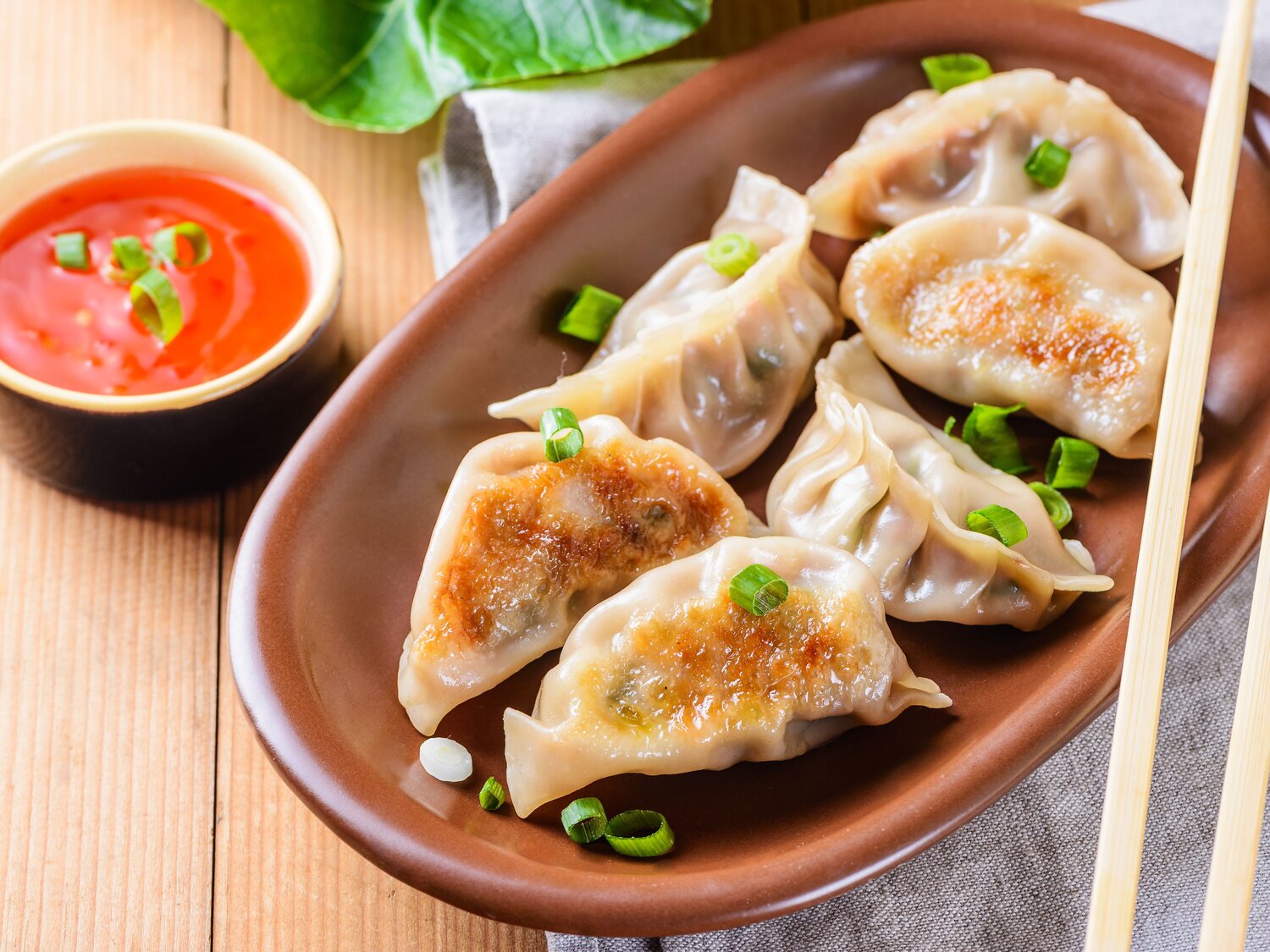
Gyoza
Gyoza are Japanese dumplings, similar to Chinese potstickers, jiaozi, but with a slightly different flavor profile and texture. They are typically made with thin wrappers and a filling of minced meat (often pork) and vegetables like cabbage and garlic chives. Gyoza are most commonly pan-fried, creating a crispy bottom, and then steamed or boiledJiaozi are a type of Chinese dumpling.
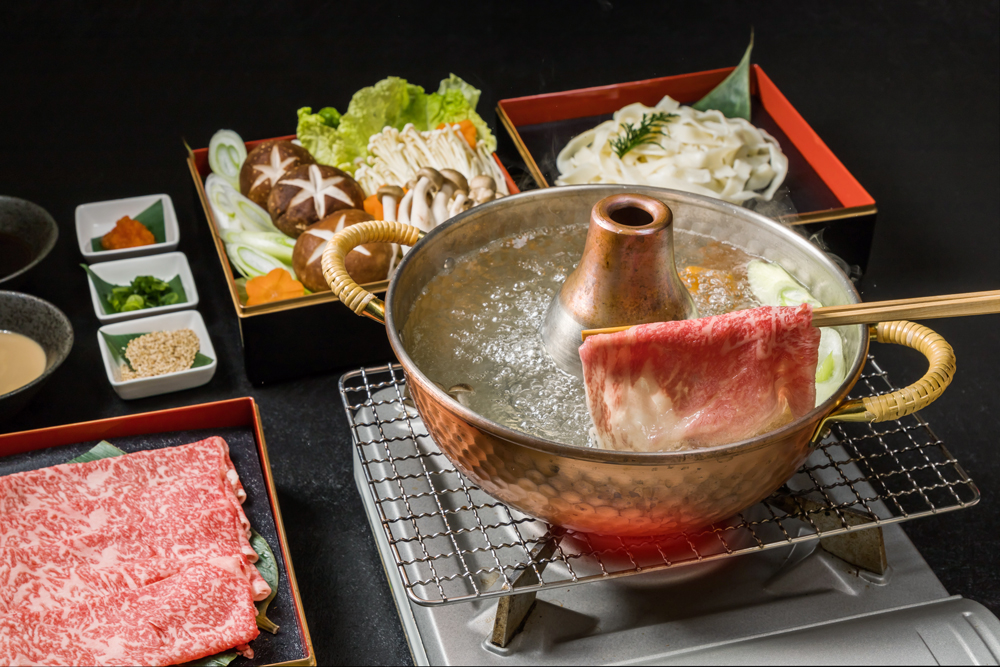
Shabu-Shabu
Shabu-shabu is a Japanese nabemono hotpot dish of thinly sliced meat and vegetables boiled in water and served with dipping sauces. The term is onomatopoeic, derived from the sound – u0022swish swishu0022 – emitted when the ingredients are stirred in the cooking pot.
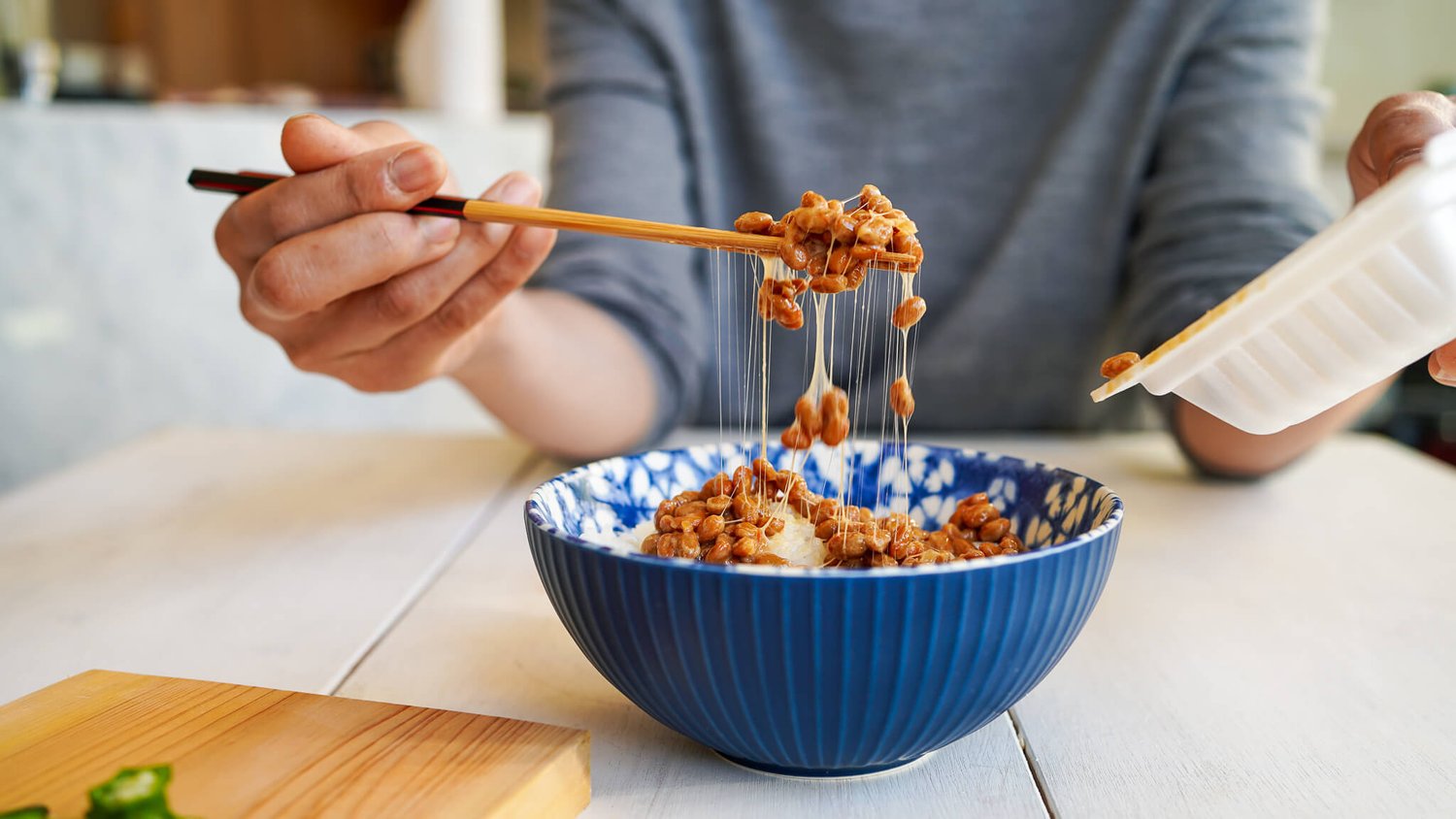
Nattō
Nattō is a traditional Japanese food made from whole soybeans that have been fermented with Bacillus subtilis var. natto. It is often served as a breakfast food with rice. It is served with karashi mustard, soy or tare sauce, and sometimes Japanese bunching onion.
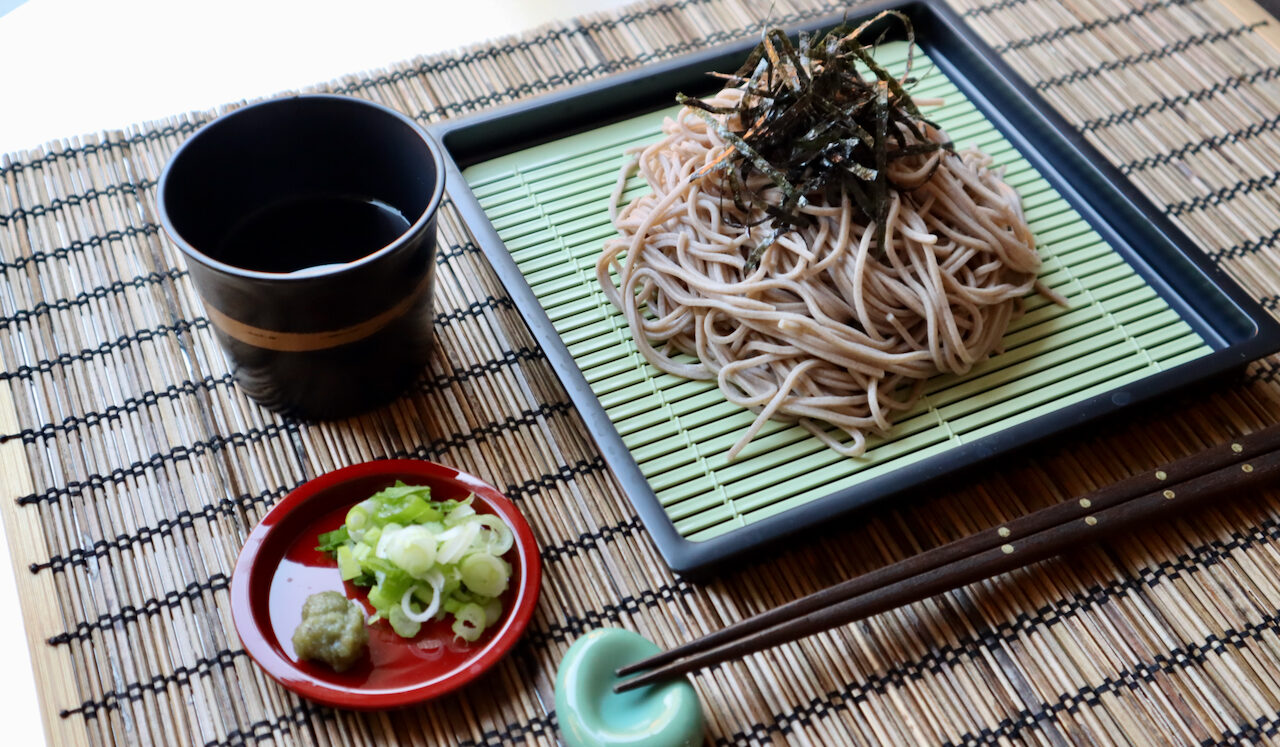
Soba
Soba are Japanese noodles made primarily from buckwheat flour, with a small amount of wheat flour mixed in. It has an ashen brown color, and a slightly grainy texture. The noodles are served either chilled with a dipping sauce, or hot in a noodle soup. They are used in a wide variety of dishes.
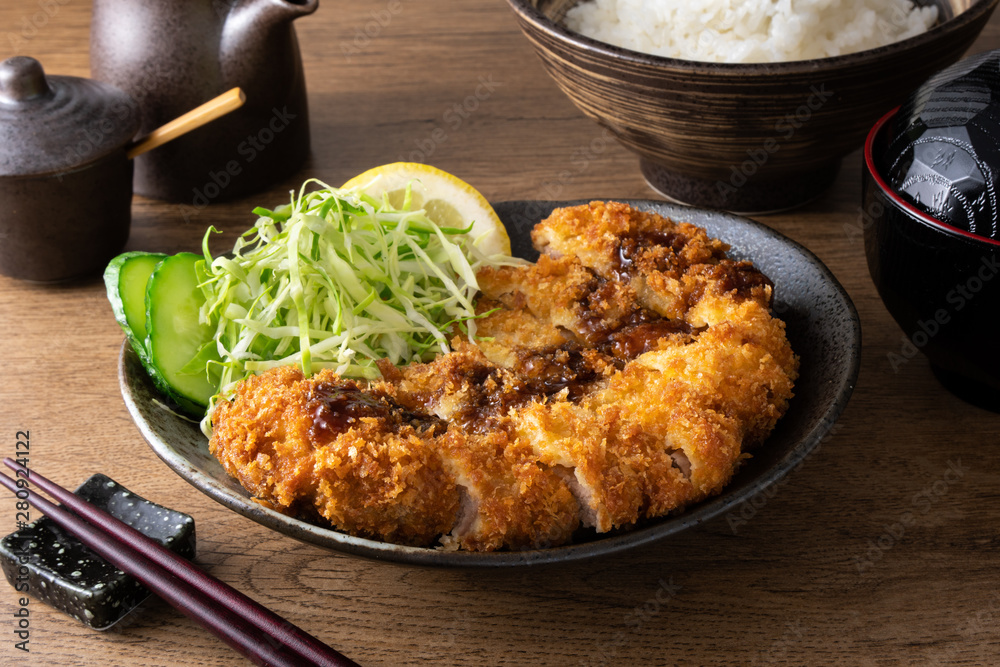
Tonkatsu
Tonkatsu is a Japanese dish that consists of a breaded, deep-fried pork cutlet. It involves coating slices of pork with panko, and then frying them in oil. The two main types are fillet and loin. Tonkatsu is also the basis of other dishes such as katsu curry and katsudon.

Karaage
Karaage is Japanese fried chicken (typically made with boneless chicken thighs). The chicken is coated in a flour-based batter then deep-fried in oil. It’s a popular snack by itself at festivals, in convenience stores, and izakaya, or it is often served as part of a main meal in restaurants with rice, miso soup, and salad.
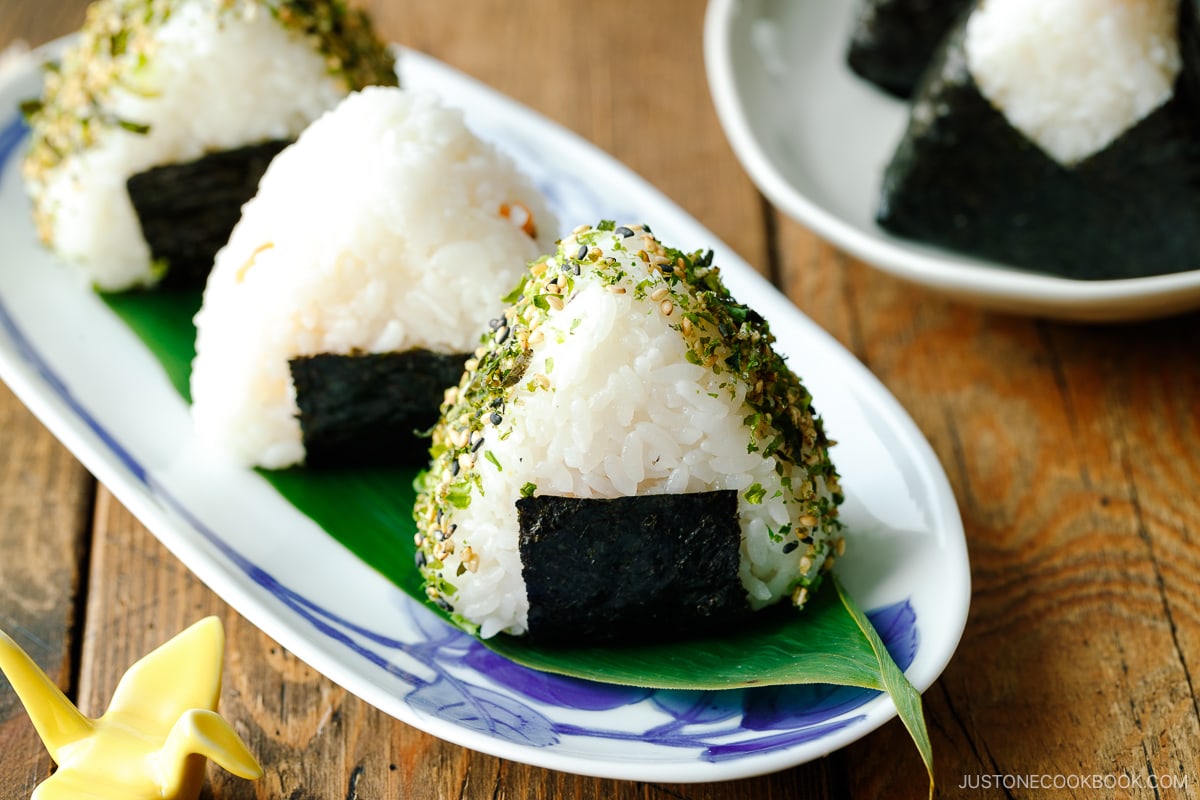
Onigiri
Onigiri, also known as omusubi or nigirimeshi, is a Japanese rice ball made from white rice. It is usually formed into triangular or cylindrical shapes, and wrapped in nori. Onigiri traditionally have sour or salty fillings such as umeboshi, salted salmon, katsuobushi, kombu, tarako or mentaiko, or takanazuke
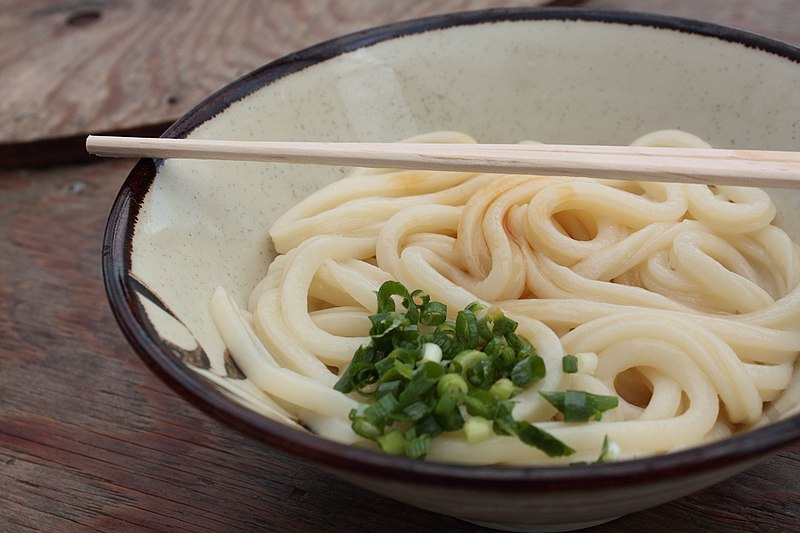
Udon
Udon is a thick noodle made from wheat flour, used in Japanese cuisine. There are a variety of ways it is prepared and served. Its simplest form is in a soup as kake udon with a mild broth called kakejiru made from dashi, soy sauce, and mirin. It is usually topped with thinly chopped scallions.
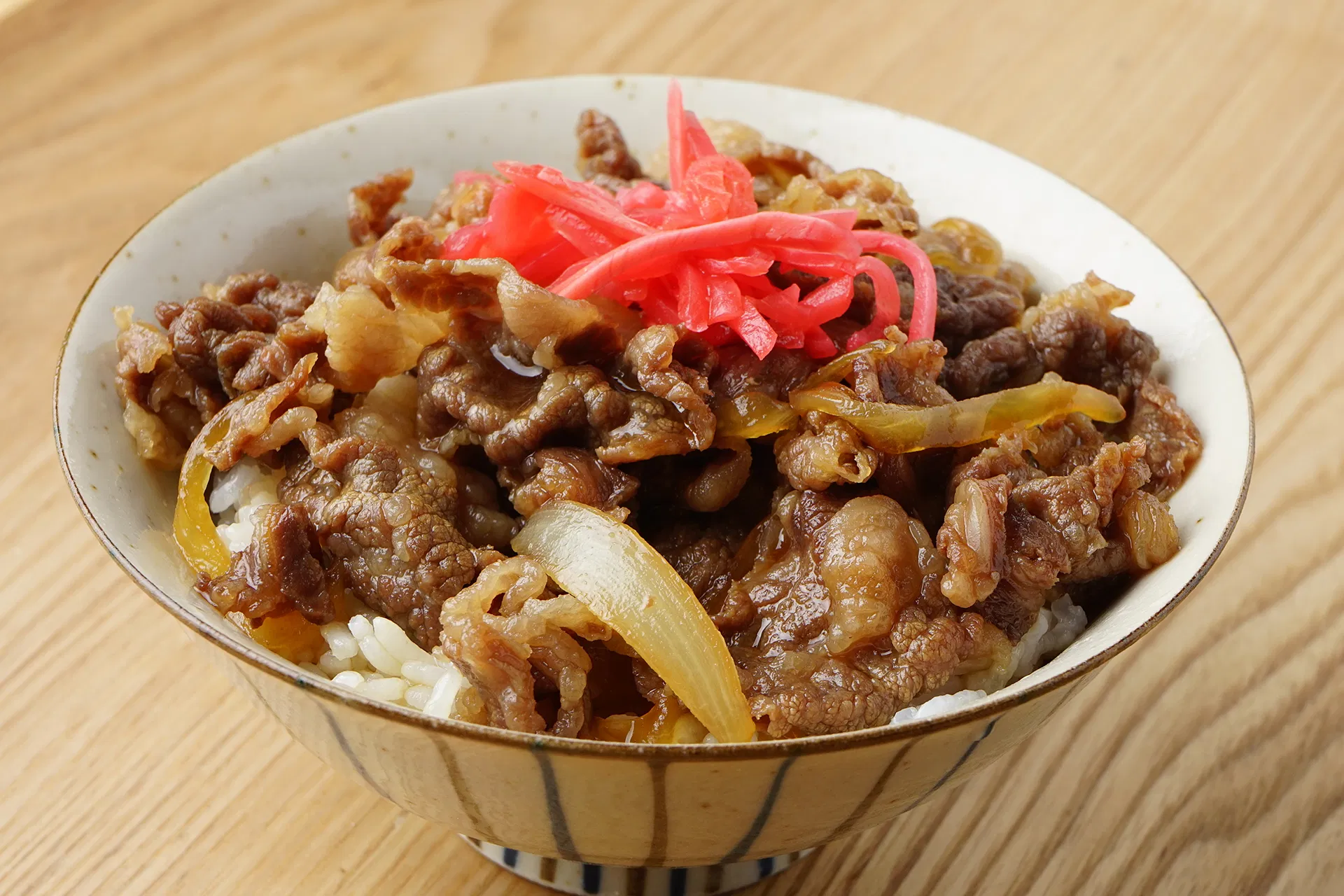
Gyūdon
Gyūdon, also known as gyūmeshi, is a Japanese dish consisting of a bowl of rice topped with beef and onion, simmered in a mildly sweet sauce flavored with dashi, soy sauce and mirin. It may sometimes also be served with toppings such as raw or soft poached eggs, negi onions, grated cheese or kimchi.
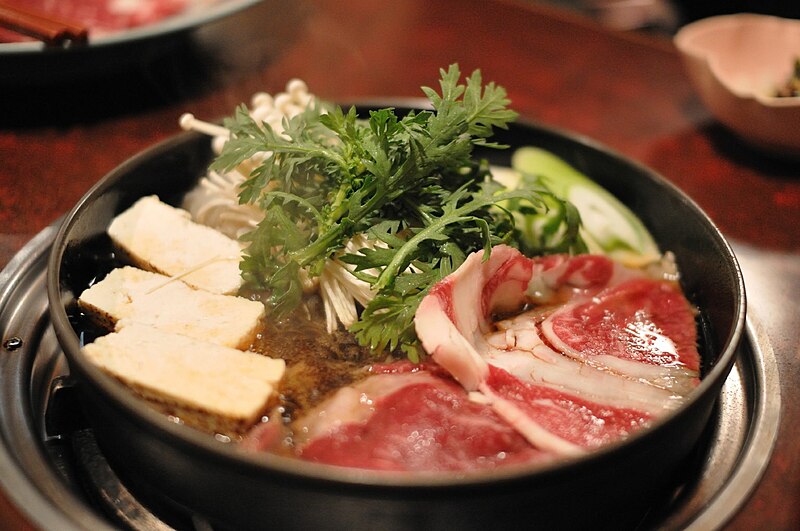
Sukiyaki
Sukiyaki is a Japanese dish that is prepared and served in the nabemono style. It consists of meat which is slowly cooked or simmered at the table, alongside vegetables and other ingredients, in a shallow iron pot in a mixture of soy sauce, sugar, and mirin.
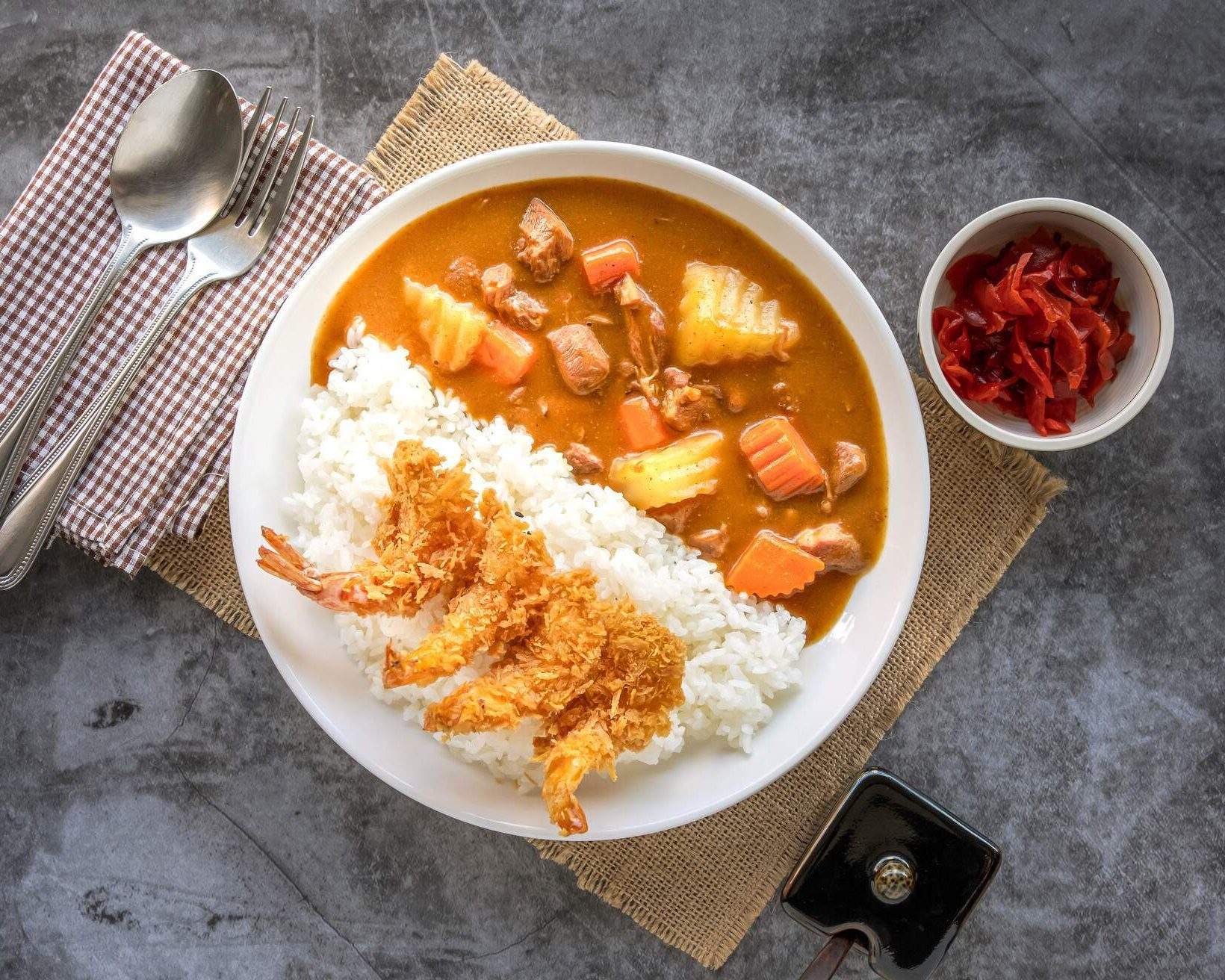
Curry Rice
Known locally as kare or kare raisu, this dish was introduced by the British during the Meiji era. This curry differs from Indian curries because it is slightly sweeter and thicker. It often resembles a stew and is served with rice.
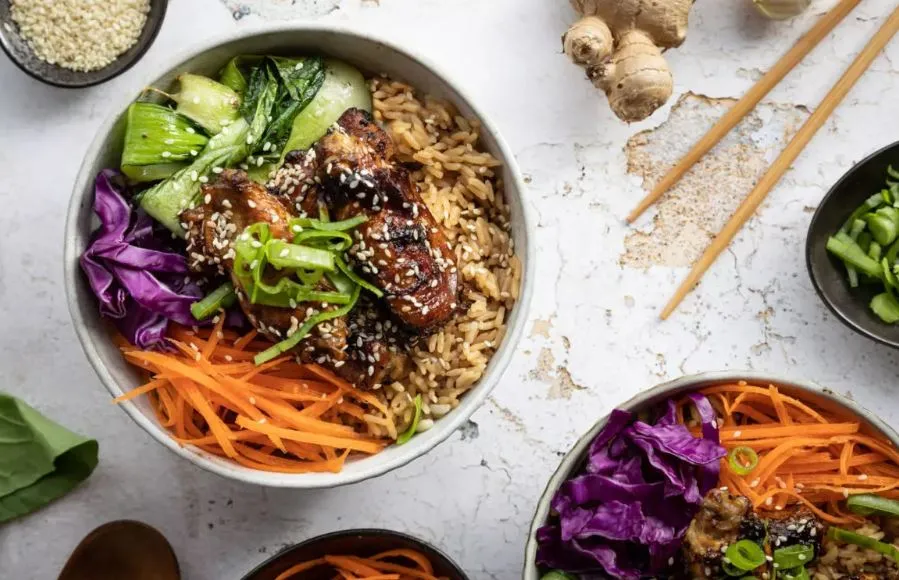
Donburi
Donburi is a Japanese “rice-bowl dish” consisting of fish, meat, vegetables or other ingredients simmered together and served over rice. Donburi meals are usually served in oversized rice bowls which are also called donburi.
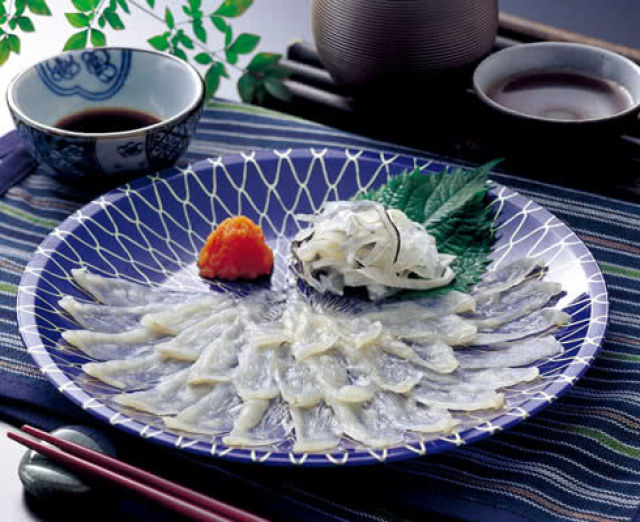
Fugu (DANGER!)
The fugu is a pufferfish that is, yes, delicious, but it can also be lethal due to a toxin in some parts of its body. Fugu is usually served as sashimi or in certain kinds of Japanese nabehot pots. The preparation of this fish, because of the danger, is rigidly controlled by the Japanese government.
Kabayaki
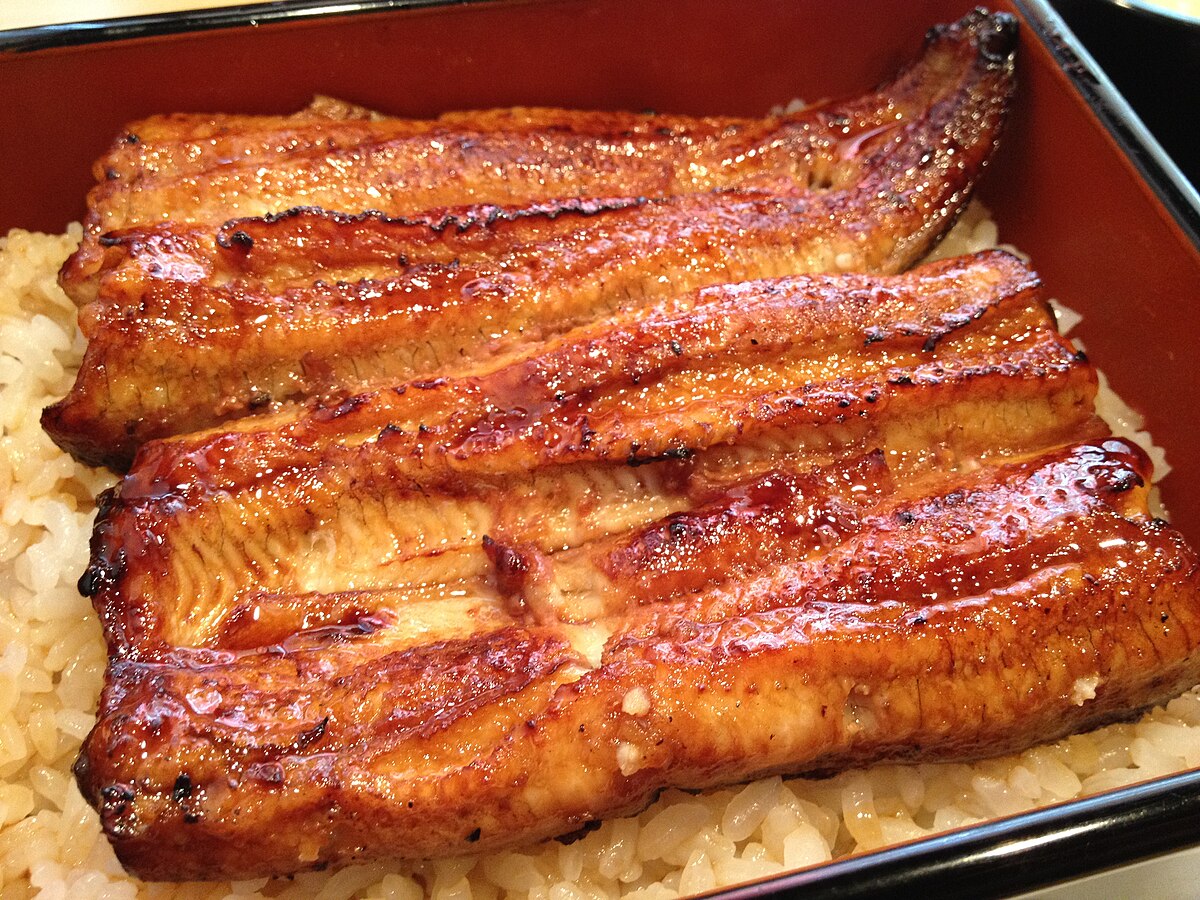
Kabayaki is a preparation of fish, especially unagi eel, where the fish is split down the back, gutted and boned, butterflied, cut into square fillets, skewered, and dipped in a sweet soy sauce-based marinade before being cooked on a grill or griddle.
Mochi
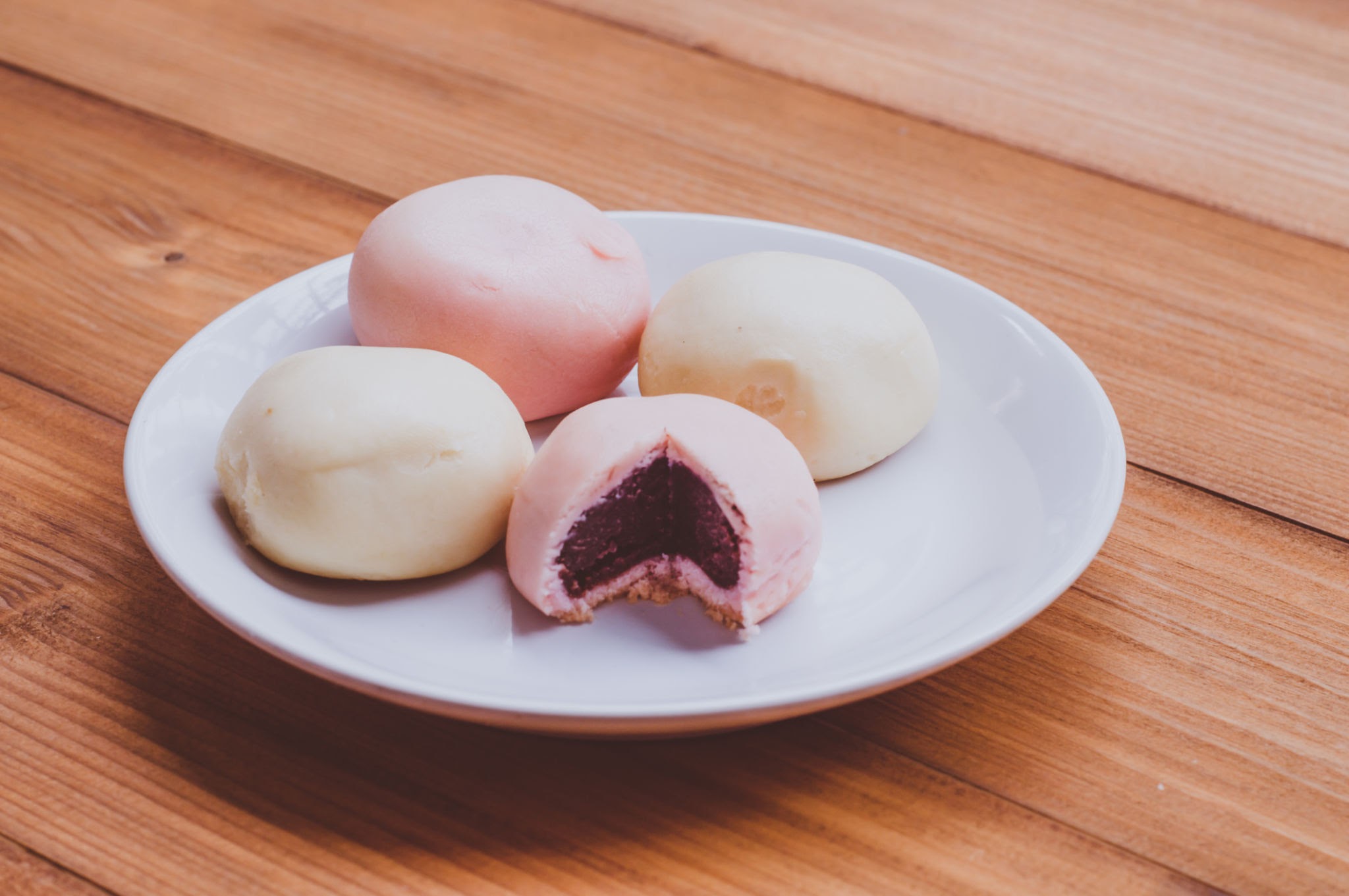
A mochi is a Japanese rice cake made of mochigome, a short-grain japonica glutinous rice, and sometimes other ingredients such as water, sugar, and cornstarch. The steamed rice is pounded into paste and molded into the desired shape. In Japan, it is traditionally made in a ceremony called mochitsuki.
Takoyaki
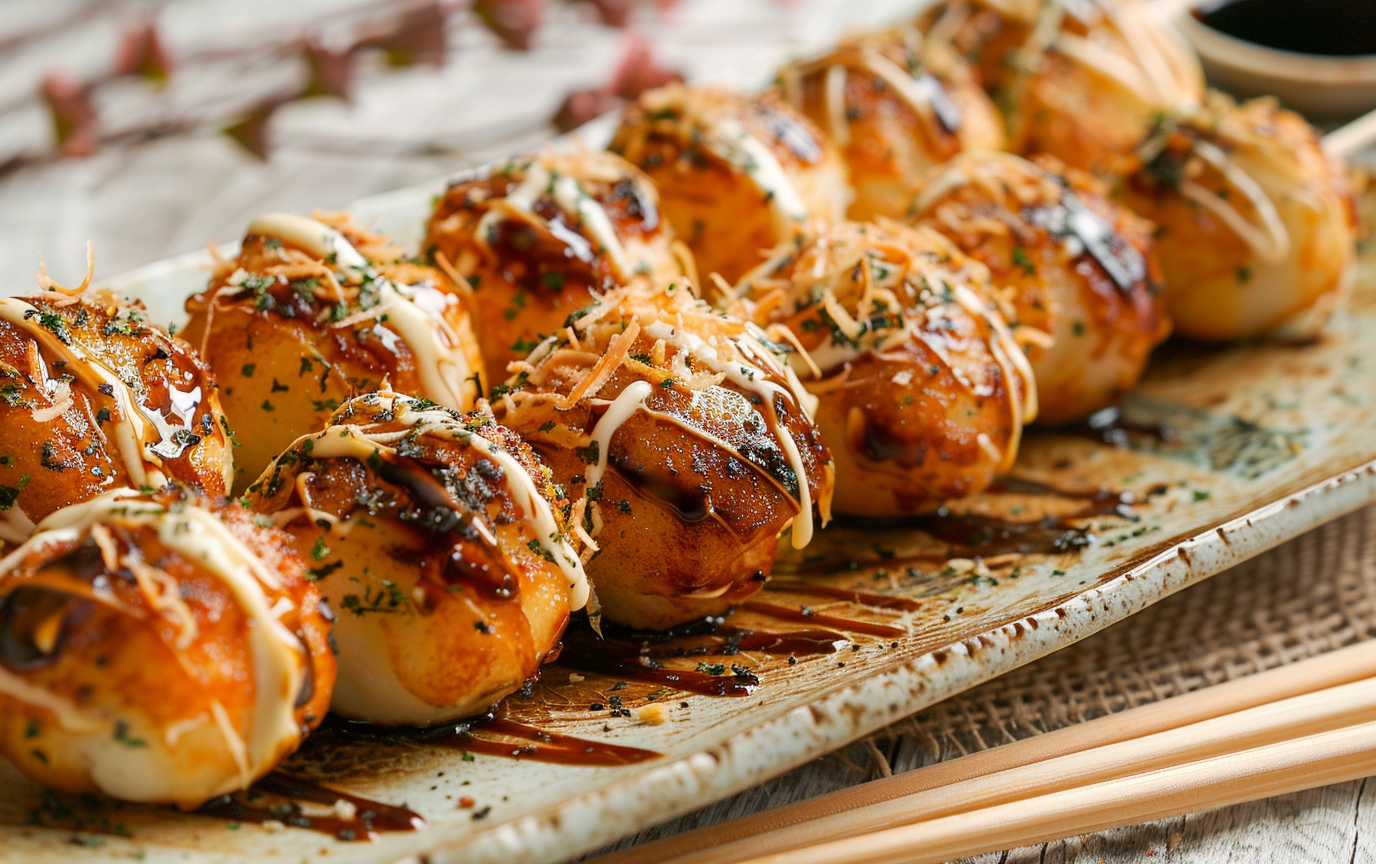
Takoyaki is a ball-shaped Japanese snack made of a wheat flour-based batter and cooked in a special molded pan. It is typically filled with minced or diced octopus, tempura scraps, pickled ginger, and green onion.